

Mice and Rats for Cancer Research
Taconic Biosciences uniquely combines a broad portfolio of models, including advanced genetically engineered models (GEMs) and humanized mice with integrated IP access, with expertise in oncology model generation and breeding, all with an ecosystem of scientific support designed to always provide our customers with the best solution. Browse our catalog of readily available models for your next oncology study, explore our portfolio of super immunodeficient mice suitable for testing novel oncology drug candidates, or discuss your specific project needs with a scientist. We also have a range of resources to learn more about the exciting advances in oncology research.
| Category | Model | Strain Name (Stock No.) | Strain Type |
| Oncology | Black 6 (B6NTac) | C57BL/6NTac | Inbred |
| Oncology | B6JBom | C57BL/6JBomTac | Inbred |
| Oncology | BALB/c | BALB/cAnNTac | Inbred |
| Oncology | BALB/c Bom | BALB/cJBomTac | Inbred |
| Oncology | C3H | C3H/HeNTac | Inbred |
| Oncology | DBA/2 | DBA/2NTac | Inbred |
| Oncology | FVB | FVB/NTac | Inbred |
| Oncology | DBA/1 | DBA/1JBomTac | Inbred |
| Oncology | 129S6 | C3H/HeNTac | Inbred |
| Oncology | B6.SJL | B6.SJL-Ptprca | Adoptive Transfer |
| Oncology | β-actin-luc - Model 11977 | β-actin-luc | Adoptive Transfer |
| Oncology | Rag2/OT-I | Rag2/OT-I | TCR Transgenic |
| Oncology | Rag2/OT-II (11490) | Rag2/OT-II | TCR Transgenic |
| Immuno-Oncology | Jh (C57BL/6) | Jh (C57BL/6) | Immunodeficient |
| Immuno-Oncology | Rag2 - Model RAGN12 | Rag2 Knockout | Immunodeficient |
| Immuno-Oncology | Rag2/Il2rg Double Knockout | Rag2/Il2rg Knockout | Immunodeficient |
| Immuno-Oncology | Abb (H2-Ab1) - Model ABBN12 | Abb Knockout | Immunodeficient |
| Immuno-Oncology | Abb (H2-Ab1) - Model 4026 | Abb Knockout with Ptprca | Immunodeficient |
| Immuno-Oncology | B2m (β2m) | B2m Knockout* | Immunodeficient |
| Immuno-Oncology | Abb/B2m | Abb/B2m Knockout* | Immunodeficient |
| Immuno-Oncology | Fcer1g (FcRγ) - Model 583 | Fcer1g (FcRγ) | Immunodeficient |
| Immuno-Oncology | Fcgr2b (FcγRII) - Model 580 | Fcgr2b (FcyRII) | Immunodeficient |
| Immuno-Oncology | Jh (BALB/c) | Jh (BALB/c) | Immunodeficient |
| Immuno-Oncology | Fcer1g - Model 584 | Fcer1g (FcRγ) | Immunodeficient |
| Immuno-Oncology | Fcgr2b - Model 579 | Fcgr2b (FcγRII) | Immunodeficient |
| Immuno-Oncology | Rag2 - Model 601 | Rag2 Knockout | Immunodeficient |
| Immuno-Oncology | CIEA BRG mouse | Rag2/Il2rg Knockout (BRG) | Immunodeficient |
| Oncology | NFκB-RE-luc | NFκB-RE-luc | Reporter |
| Oncology | HLA-A2.1 | C57BL/6 or CB6F1 | Transgenic |
| Oncology | HLA-A11 | C57BL/6 or CB6F1 | Transgenic |
| Oncology | HLA-A1 | C57BL/6 or CB6F1 | Transgenic |
| Oncology | HLA-A24 | C57BL/6 or CB6F1 | Transgenic |
| Oncology | HLA-B7 | C57BL/6 or CB6F1 | Transgenic |
| Oncology | HLA-B44 | C57BL/6 or CB6F1 | Transgenic |
| Oncology | Abb Knockout/Transgenic HLA-DR4 | C57BL/6 | Transgenic |
| Oncology | Stat1 Knockout | N/A | Transgenic |
| Oncology | TSG-p53® | N/A | Transgenic |
| Oncology | Pirc Rat | N/A | Transgenic |
| Oncology | Invasive Lobular Breast Cancer Model | N/A | |
| Oncology | Brca1-Associated Breast Cancer Model | N/A | |
| Oncology | Floxed Ink4a/Arf Mouse | N/A | |
| Oncology | Floxed p53 Mouse | N/A | |
| Immuno-Oncology | NOG-EXL (hGM-CSF/hIL-3 NOG) | 13395 | Immunodeficient |
| Immuno-Oncology | hIL-2 NOG | 13440 | Immunodeficient |
| Immuno-Oncology | hIL-15 NOG | 13683 | Immunodeficient |
| Immuno-Oncology | hIL-6 NOG | 13686 | Immunodeficient |
| Immuno-Oncology | B2m-NOG | 14957 | Immunodeficient |
| Immuno-Oncology | FcResolv® NOG | 19164 | Immunodeficient |
| Immuno-Oncology | FcResolv® hIL-15 NOG | 19220 | Immunodeficient |
| Immuno-Oncology | FcResolv® NOG-EXL | 21552 | Immunodeficient |
| Immuno-Oncology | C.B-17 scid | Immunodeficient | |
| Immuno-Oncology | scid-beige | Immunodeficient | |
| Immuno-Oncology | huNOG-EXL SA (Standard Access) | Immunodeficient | |
| Immuno-Oncology | huNOG-EXL EA (Early Access) | Immunodeficient | |
| Immuno-Oncology | FcResolv® huNOG | Immunodeficient | |
| Immuno-Oncology | FcResolv® huNOG-EXL EA (Early Access) | Immunodeficient | |
| Immuno-Oncology | huNOG | Immunodeficient | |
| Immuno-Oncology | huPBMC-B2m-NOG | Immunodeficient | |
| Immuno-Oncology | huPBMC-NOG | Immunodeficient | |
| Immuno-Oncology | ICR scid | Outbred or Mixed | |
| Immuno-Oncology | NCr nude | Outbred or Mixed | |
| Immuno-Oncology | NIH nude rat | Outbred or Mixed | |
| Immuno-Oncology | CIEA NOG mouse® | Immunodeficient | |
| Immuno-Oncology | NMRI nude | Outbred or Mixed | |
| Oncology | BALB/c nude | BALB/cAnNTac | Outbred or Mixed |
Oncology and Immuno-Oncology Mouse & Rat Model Portfolio
- Humanized Immune System Mice
- Syngeneic Tumor Mouse Models & Research Tools
- Immunodeficient Mice & Rats
- NOG Mouse Portfolio
- Spontaneous Tumor Mice & Rat Models
- Transgenic HLA Mouse Models
- Cell Line Databases
- Frequently Asked Questions (FAQs)
Humanized Immune System Mice
Humanized immune system models are widely used in preclinical immuno-oncology research. Selecting the right strain for your project starts by determining which human cell types are relevant to your specific disease.

Featured Models


Syngeneic Tumor Mouse Models & Research Tools
Syngeneic tumor mouse models are widely used for immuno-oncology as they offer a translatable in vivo system with normal immune function for testing immune-modulating therapeutics. Taconic offers a comprehensive toolbox for syngeneic studies, ranging from common inbred strains to advanced genetically engineered models for more sophisticated experiments.

Immunodeficient Mice & Rats
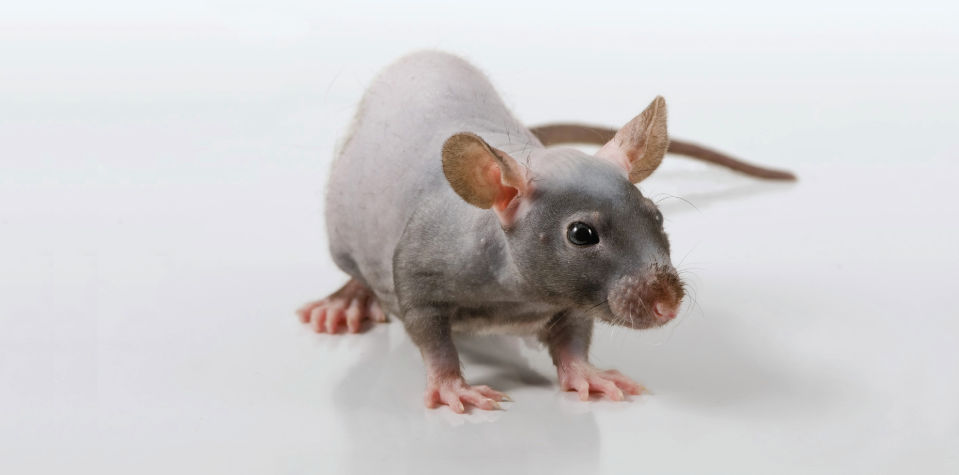
Immunodeficient mice and rats are used as hosts for xenografts and for immune system humanization. Taconic offers a range of strains from nude mice to super immunodeficient models to facilitate studies using both human cell lines and patient-derived xenografts as well as sophisticated humanized immune system models for immuno-oncology studies.
Featured Models


NOG Mouse Portfolio
The CIEA NOG mouse® is a versatile and widely used super immunodeficient model with broad global adoption by researchers in both academia and industry. The NOG mouse is the model of choice for xenografts, particularly difficult to engraft cell lines and patient-derived xenografts, as well as immune system humanization.

Featured Models


Spontaneous Tumor Mouse & Rat Models
Spontaneous tumor mouse and rat models are models in which specific mutations have been genetically introduced to provoke spontaneous tumor development. Spontaneous tumor models can be challenging to work with, as tumor development is often inconsistent from animal to animal and may only take place in aged animals. Taconic offers several mouse and rat models capable of developing tumors de novo in the appropriate tissue. These models can be tailored to reflect the human microenvironment and are suitable for a range of applications, including tumorigenesis studies, tumor prevention studies, and testing novel drug candidates.

Transgenic HLA Mouse Models
Transgenic mice that express human HLA molecules can be used for a variety of cancer immunotherapy studies. Key applications include the evaluation of HLA-restricted CTL epitope responses in vivo, determining the immunogenicity of novel cancer vaccines, and testing the expansion and response of chimeric antigen receptor T cells.

Featured Models


Cell Line Databases
Xenograft Cell Line Database
Taconic Biosciences has been a source of immunodeficient mice and rats for use in xenograft studies for more than 40 years. Use the database of published references to help select the most appropriate model for your study.
Syngeneic Cell Line Reference Database
Taconic Biosciences offers both inbred mice and GEMs on defined backgrounds. These models are widely used for syngeneic tumor studies in which mouse tumor cells are engrafted into hosts from the same genetic background. Use the database of published references to identify tumor cell lines and associated background strains that are most appropriate for your study.
Frequently Asked Questions (FAQs) About Oncology & Cancer Models
Both types of experimental systems have great utility in immuno-oncology research, and the most appropriate model depends on your specific research question. Syngeneic tumor mouse models maintain a fully-intact immune system, have a tumor that is genetically-matched with immune system and stroma, but contain a mouse tumor and mouse immune system, which will vary from the human versions. Humanized immune system (HIS) mice contain modified immune systems but have the potential for greater translatability by studying human tumors and human immune cells together. Additional factors to consider are whether your test article recognizes mouse and/or human targets, whether the immune cell of interest is present in a humanized mouse model, and whether you are performing large-scale screening (a syngeneic tumor model may be faster and more cost-effective) versus investigating mechanistic questions for a late-stage drug candidate (a humanized immune system model may be most appropriate).
While the use of mice has provided important insight into our understanding of normal and pathophysiological processes, the biological differences between mice and humans are limiting factors in the translation of many immunotherapies to the clinical setting. There is thus a growing need for mouse models that more faithfully recapitulate important features of human biology. Towards this goal, various methods have been developed to humanize mice, and these models are quickly becoming an essential tool for basic and applied research. Humanized immune system mice have provided critical insights into development of cancer immunotherapies due to their ability to model the interaction between the human immune system and cancer in vivo. Genetically humanized mice which express a human target protein may be useful when the mouse and human versions of a protein differ significantly. Finally, microbiome humanization is starting to illuminate questions such as why do some patients respond to immunotherapies while others do not.
There are many variations of humanized immune system mice, and the best model for a particular study must consider the immune cell(s) of interest, the tumor of interest, the likely study window needed and more. At a high level, the two most commonly used humanization methods in these models are CD34+ hematopoietic stem cells (HSC) engraftment , which involves the transplantation of human hematopoietic stem cells that engraft and differentiate into various types of human immune cells, and PBMC engraftment, in which human peripheral blood mononuclear cells are injected. These methods are combined with a range of host strains, and the resulting models differ in the cell types that engraft, immune function of the engrafted human cells, as well as timelines for development and the useful study window. Thus use of the appropriate system is dependent upon the scientific question under investigation.
Taconic's Field Applications Scientists can help you determine which humanized model will best suit your research goals.
Humanized models based on engraftment of CD34+ HSCs require more lead time for the humanized immune system to fully develop, but also offer a longer study window, though this exact window depends on the host strain. These models also tend to develop a wider range of functional human immune cells in the periphery. Taconic's humanized huNOG and huNOG-EXL mice are engrafted with human CD34+ HSCs which promote the development of a humanized model with human lymphocytes that are present in peripheral blood, bone marrow, thymus, and spleen. While these models can be used for long-term studies, not all human immune cell types are present or completely functional.
Taconic's humanized huPBMC mice are engrafted with human peripheral blood mononuclear cells (PBMCs). These models are primarily thought of as T cell models. While they are relatively easy and fast to development, they have a much shorter lifespan and can only be used for studies on the order of weeks, not multiple months. However, these models can be particularly useful for graft versus host disease (GvHD) studies.
First, select a syngeneic cell line based on the type of cancer that will be investigated. Second, navigate to Taconic's syngeneic cell line database and filter based on cancer type. This database will also display what background strain(s) are available in which to study the chosen cancer. Order the tumor cell line from your preferred cell line vendor and determine the exact type of mouse model needed for this study.
There is a wide range of humanized immune system models, and the appropriate combination of a host strain, engraftment method and cell source can often provide a model which offers one or multiple human immune cells. Options are available to study the following types of human immune cells:
- T cells, including CD4+, CD8+ and Treg
- NK cells
- Dendritic cells, including mDCs and pDCs
- Monocytes, including classical, non-classical and intermediate
- Macrophages
- Granulocytes
- Eosinophils
- Basophils
- Tumor-associated macrophages (TAMs)
- Tumor-infiltrating lymphocytes (TILs)
- Myeloid-derived suppressor cells (MDSCs)
Custom Solutions for Oncology and Immuno-Oncology Research
Taconic Biosciences' globally-recognized scientific project managers support your custom model design project from design to delivery. Each custom model design project develops along an agile framework, letting you reassess and retarget your model fluidly as new data becomes available. You can pause or postpone projects at any time, or even "back up" project milestones via cryopreservation.
Model Generation Solutions & Breeding Services
- Model Acquisition
- Transition Mutant to Model
- Scaled Breeding
- Specialized Services
- Distribution
Colony Management Solutions
- Extensive Health Standard Options
- True Gnotobiotic Profiles
- Genetic Monitoring Programs
- Scientific Leadership & Success Team
- Custom Solutions for Every Partner
Featured Oncology and Immuno-Oncology Resources


Get In Touch
Book a complimentary consultation or get support for an existing order
If you need immediate assistance, please contact Customer Service:
Taconic Corporate Offices
Email: info@taconic.com
Phone: +1 (518) 697-3900
273 Hover Ave., Germantown, NY 12526
North American Customer Service
Email: info@taconic.com
Phone:
+1 (518) 697-3915
Toll-free:
+1 (888) 822-6642
Hours:
(Monday - Friday): 7 a.m. - 6 p.m. ET
European Customer Service
Email: info@taconic.com
Phone (Europe and Denmark):
+45 70 23 04 05
Phone (Germany):
+49 214 50 68 023
Hours: (Monday - Friday):
7 a.m. - 5 p.m. CET