
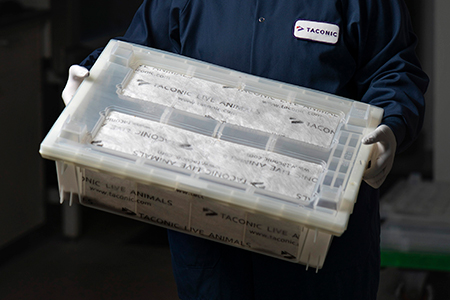
 Metabolic Dysfunction-Associated Steatohepatitis, also known as MASH, is categorized by liver inflammation and fibrosis due to a buildup of fat in the liver. It represents a more severe form of Metabolic Dysfunction-Associated Steatotic Liver Disease (MASLD), which currently has no approved pharmaceutical treatment. There are various types of mouse models used to study MASH, including diet-induced (both high fat and nutrient-deficient diets), chemically-induced, and genetic models. Of these, high fat diet-induced MASH models such as Taconic Biosciences' Diet Induced MASH B6 require special care before, during, and after shipment to your facility. Proper care is a critical element of experimental success with these mice.
MASH models based on the Amylin liver MASH (AMLN) model use male C57BL/6 mice conditioned on diet for between 18-40 weeks or even longer, resulting in obese mice which may be prone to aggression and specific health concerns. Some of the factors to consider when bringing these models into your vivarium are enrichment, housing groups, and visual monitoring for skin conditions. Most laboratory mice lose some weight during transit; however, for MASH models, this results in disease regression and acclimation times must be based on weight recovery. If not properly acclimated, this could impact downstream study results. Taconic's new MASH care guide covers these issues and makes detailed recommendations to preserve the health and welfare of these mice. If you require additional information about introducing MASH models to your facility or proper study design, we offer scientific consultations to help you navigate this process.

 Plan your MASH study:
- Contact Us to set up a free consultation with a Taconic scientist on how you can use MASH in your research.