

(Formerly Known as NASH B6)
Diet Induced MASH B6

| Model No. | Nomenclature | Genotype |
|---|---|---|
| MASH-B6-M | C57BL/6NTac | |
| MASH-B6-CONTROL-M | C57BL/6NTac |

View:
Select One
- Description
- Data
- Growth Chart
- Price & Licensing
- Health Report
- Overview
- Genetics
- Guides & Publications
- Applications & Therapeutic Areas
- Transit, Housing & Welfare
Overview
Nomenclature: C57BL/6NTac
Taconic is the first and only vendor to offer a diet-induced MASH mouse model off the shelf
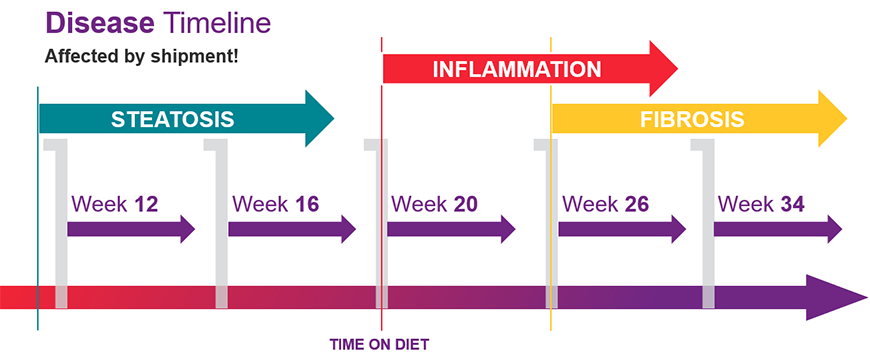
Taconic Biosciences maintains an inventory of C57BL/6NTac male mice conditioned on a modified Amylin liver MASH (AMLN) diet. Diet # D09100310i (source Research Diets) contains 40 kcal% fat, 20 kcal% fructose and 2% cholesterol and is an irradiated diet. This diet is sometimes called the Gubra-Amylin NASH diet or GAN diet. C57BL/6NTac males are put on this diet at 6 weeks of age and housed at reduced density. Control C57BL/6NTac male mice are housed in the same location, also at reduced density, and are fed the NIH-31M chow diet. Control males can also be generated using a low-fat purified diet upon request.Metabolic Dysfunction-Associated Steatohepatitis (MASH) B6 mice become obese, develop a fatty liver, and develop liver inflammation and fibrosis after 26+ weeks on the diet. Inter-animal variability is observed in the progression of the inflammation and fibrosis phenotypes. They have significantly elevated serum levels of the liver enzyme alanine aminotransferase (ALT) compared to controls, display robust steatosis, display hepatic inflammation including the presence of hepatic crown-like structures, have activated stellate cells, and develop consistent fibrosis by 26 weeks on the diet (fibrosis score of 2 on a scale from 0-4 for most animals in one study, with bridging fibrosis observed only rarely and at late stages (1/10 mice at 53 weeks on diet)). More information is available in the phenotypic data tab below as well as in several webinar presentations: The Diet Induced MASH B6: A Translational MASH Model for Drug Discovery and Histopathological Characterization of the Diet Induced MASH B6. The Taconic diet-induced MASH B6 mouse model recapitulates many of the key features of human disease and has been successfully used in drug discovery research in Metabolic Dysfunction-Associated Steatohepatitis.
MASH B6 mice in transit for an extended period of time (more than 48 hours by ground or any air transit) can lose 10-20% of their body weight and may require extended acclimation (two or more weeks). Weight loss induced by transit may delay disease phenotype relative to animals which have remained in the same facility for the entire conditioning period. Additionally, phenotypic penetrance of certain MASH phenotypes is incomplete, so animals conditioned on diet for the same length of time will vary in disease phenotype. Taconic recommends a pilot study to determine the appropriate number of mice to order for a specific study type.
Alopecia may occur in MASH mice and is thought to be a consequence of the metabolic disease phenotype. As long as the skin is normal and intact and no pruritus is observed, no treatment is required and the mice may be used in experiments.
We recommend you review Policies, Recommendations, & Resources for Taconic's Diet Induced MASH Model prior to ordering. It includes important recommendations to support experimental success and animal welfare.
NOTE: The MASH diet D09100310i may take several weeks to receive after ordering from Research Diets. Please ensure you understand timeline of diet receipt in your facility prior to ordering mice. Taconic cannot provide the MASH diet beyond the amount the mice are shipped with in the TTC for use in transit.
Off the shelf availability permits researchers to start studies immediately, saving months of conditioning time and preserving vivarium space for active studies rather than conditioning cohorts.
Animal Diet: MASH-B6-M get D09100310i and MASH-B6-CONTROL-M get NIH #31M Rodent Diet.Tissue collection: Taconic can provide murine biospecimen collections on MASH and control animals as a separate service. Our Murine Biospecimen Services (MBS) provides general tissue and biospecimen collections which include blood, plasma, serum, liver, adipose tissue and many others. We offer various preservation methods including snap freezing, immersion in 10% neutral buffered formalin or immersion in culture media. Contact us for a complete list of available tissues and services.
Custom Diet Conditioning:Taconic also offers custom diet conditioning for any commercial or customer-provided strain as part of its Colony Management Solutions portfolio.
Recommended Controls
The recommended control for this model is MASH-B6-CONTROL
Disease stages in Taconic's Diet Induced MASH B6
Genetics
Guides & Publications
Initial Publication:
- Bernardo B et al. Comprehensive characterization of an off-the-shelf modified AMLN mouse model and considerations for experimental design targeting steatotic, inflammatory and fibrotic endpoints. Poster presented at AASLD 2020. Additional publications describing applications for similar models are below.
Other Publications:
- Trevaskis JL et al. Glucagon-like peptide-1 receptor agonism improves metabolic, biochemical, and histopathological indices of nonalcoholic steatohepatitis in mice. Am J Physiol Gastrointest Liver Physiol 2012; 302: G762-G772. – original AMLN paper.
- Kristiansen MN et al. Obese diet-induced mouse models of nonalcoholic steatohepatitis-tracking disease by liver biopsy. World J Hepatol. 2016 Jun 8;8(16):673-84. – overview of B6J (DIO) AMLN model at 26 week timepoint.
- Hansen HH et al. Mouse models of nonalcoholic steatohepatitis in preclinical drug development. Drug Discov Today. 2017 Nov;22(11):1707-1718 - 2017 review paper with a table of compounds tested in the AMLN model.
- Hernandez ED et al. Tropifexor‐mediated abrogation of steatohepatitis and fibrosis is associated with the antioxidative gene expression profile in rodents. Hepatology Communications 2019. – use of original AMLN model to evaluate FXR agonist therapeutic.
- Oldham S et al. Incorporation of a Survivable Liver Biopsy Procedure in Mice to Assess Non-alcoholic Steatohepatitis (NASH) Resolution. Journal of Visualized Experiments 2019, No. 146. – survival liver biopsy technique to assess NASH stage prior to study start.
Applications & Therapeutic Areas
- Metabolic Disease
Transit, Housing & Welfare
Need more info? Click the live chat button or Contact Us
MASH B6 animals and MASH B6 controls are packed as cagemates, one cage per Taconic Transit Cage (TTC). We recommend that customers do NOT recombine animals from different TTCs into the same cage at or after unpacking.
Please see important information regarding recommended housing and husbandry along with potential adverse phenotypes in Policies, Recommendations, & Resources for Taconic’s Diet Induced MASH Model.
Data
Note that the data below was collected from animals which did not experience shipping. The stress of shipping can cause weight loss, which impacts the MASH phenotype. We recommend a pilot to assess the impact of transit to your facility and identify appropriate acclimation timelines.

Figure 1: Comparison between C57BL/6NTac mice placed on D09100310 diet (MASH B6NTac) or kept on chow diet (Control B6NTac) from 5 weeks of age. A) Liver weight as a percentage of total body weight. B) Liver hydroxyproline content. C) Liver triglycerides. D) Serum alanine aminotransferase levels (ALT). For each time point, n=8 for MASH B6NTac and n=4 for Control B6NTac. Different individual animals were used for each time point (i.e. data is not longitudinal by animal). * and ** indicate statistical significance between MASH and control animals. Two-way ANOVA with multiple comparisons, with p-value<0.05* or p-value<0.01** Data provided by an anonymous pharmaceutical company.

Figure 2: MASH B6 have significantly elevated alanine aminotransferase (ALT) plasma levels. 2-way ANOVA Diet x Time: Only Diet is significant p< 0.0001. Sidak's Multiple Comparisons Test. Not Longitudinal.
33 Weeks of Age

41 Weeks of Age

59 Weeks of Age

Figure 3: Summary of quantitative histology findings. T-Test Multiple Comparisons: Separate Analysis per Time, Unpaired. Significance level p<0.001
A

B

Figure 4: (A) Fibrosis score and (B) % fibrosis area. 2-Way ANOVA Time x Diet: Sidak's Multiple Comparisons. Significance level p<0.0001. Not Longitudinal. Fibrosis Score - Only diet is significant. % Fibrosis Area - Time vs Diet is significant and STRONG INTERACTION.

Figure 5: MASH B6 have hepatic crown-like structures (hCLS), a unique histological finding from MASH patients. Hepatic crown-like structures (blue arrowheads) are macrophages surrounding hepatocytes with large lipid vacuoles. Macrophages also form solid inflammatory cell aggregates with other leukocytes (red arrowheads).

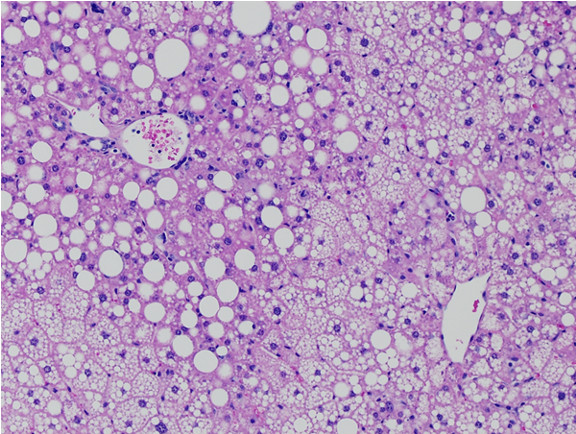
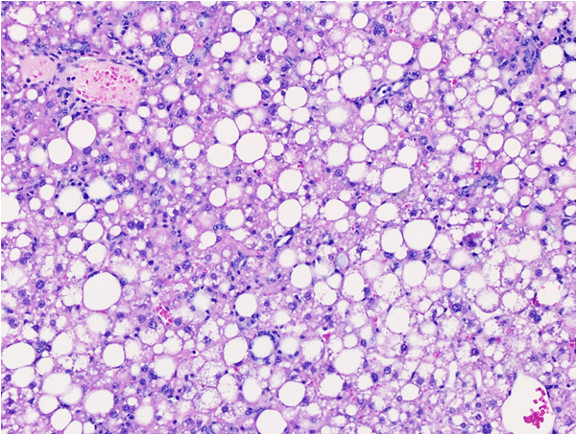
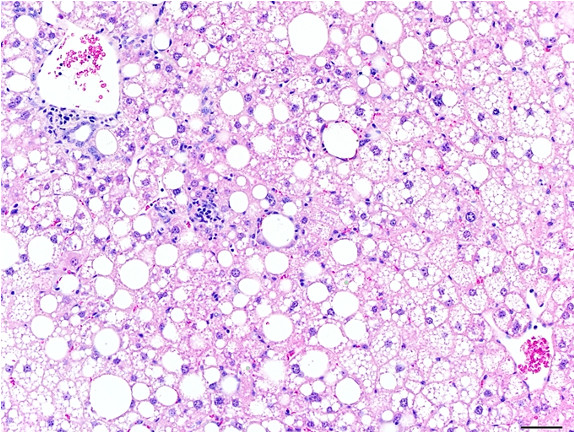
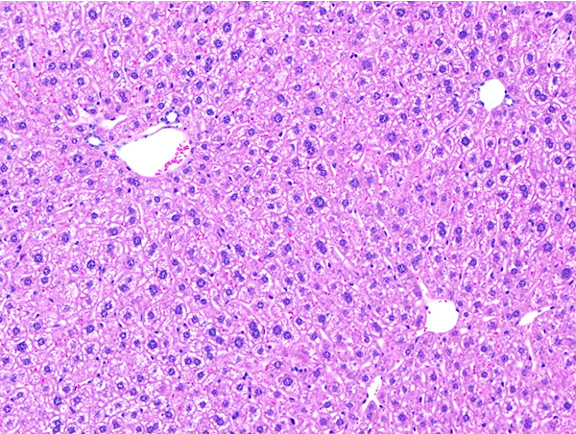
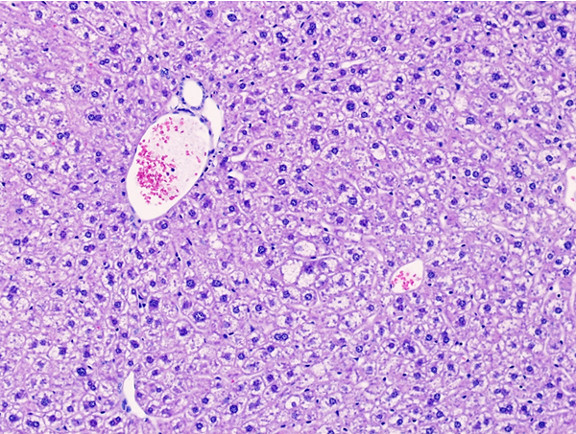
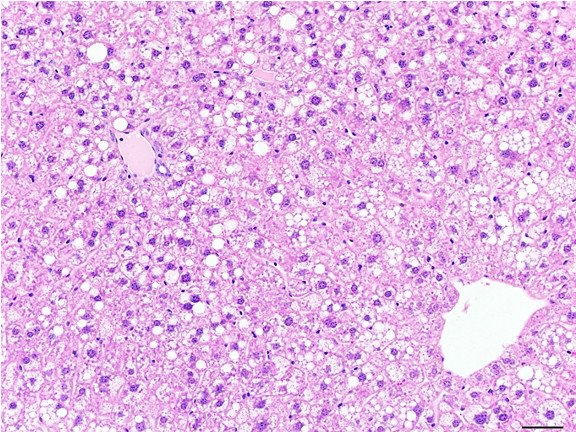
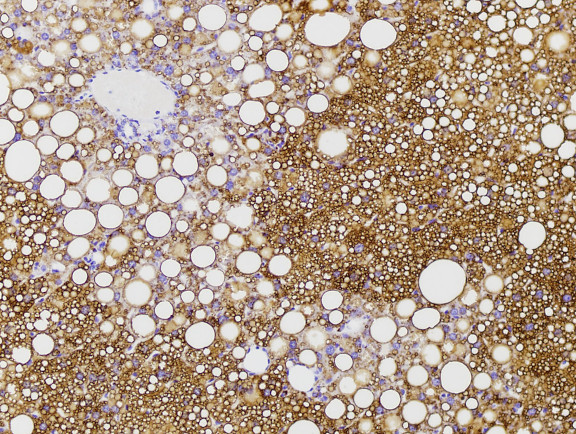
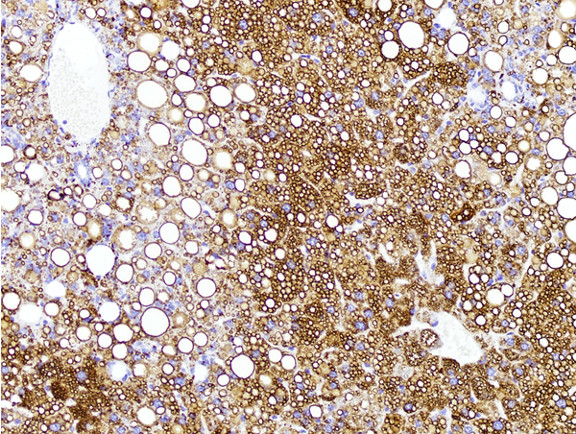
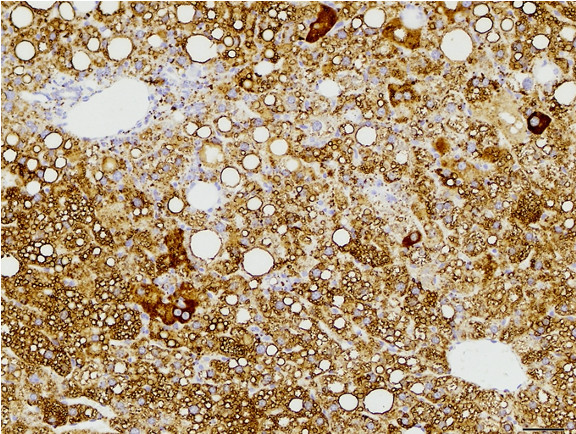
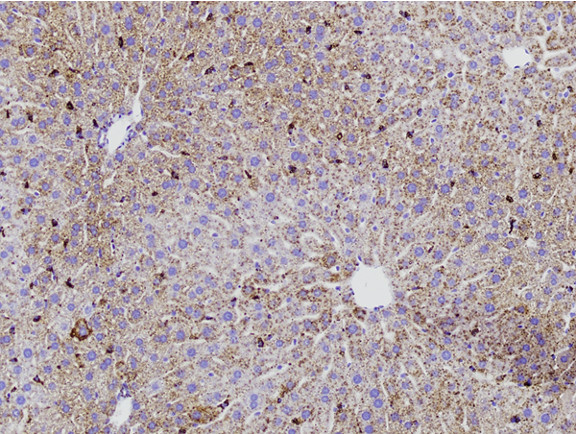
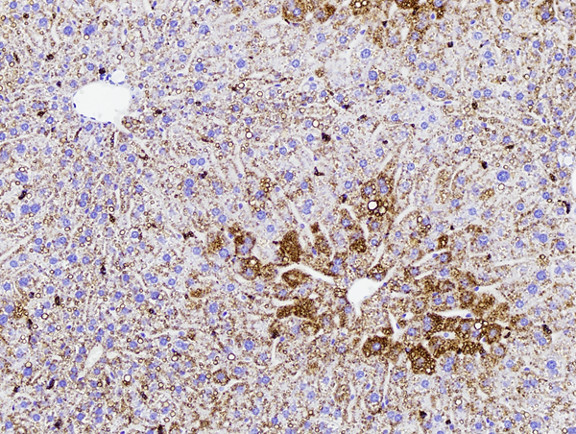
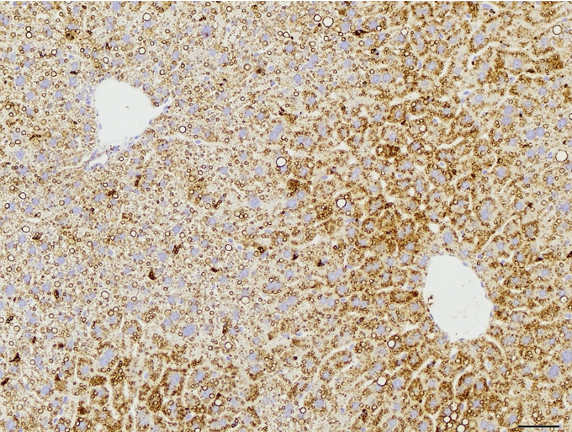
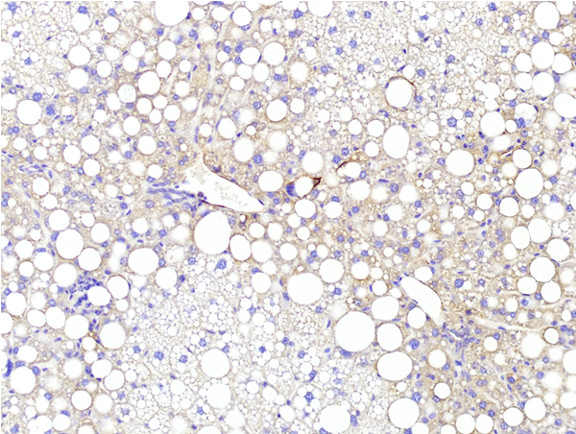
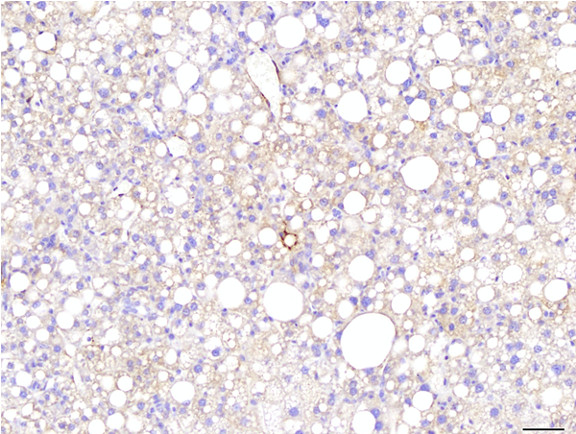
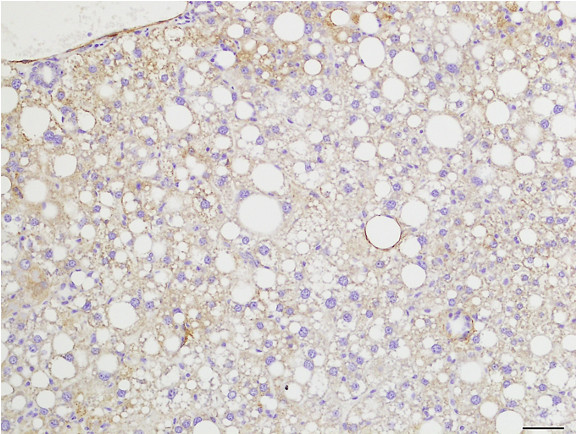
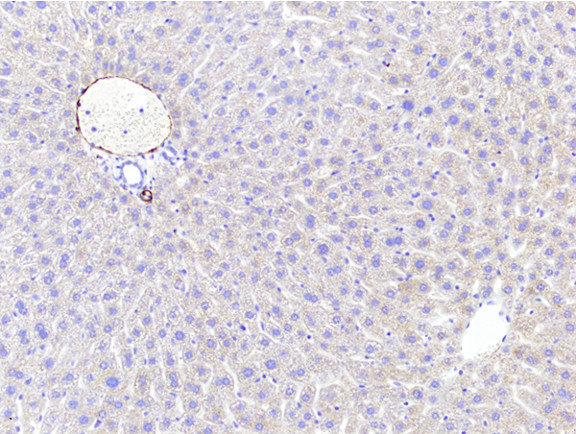
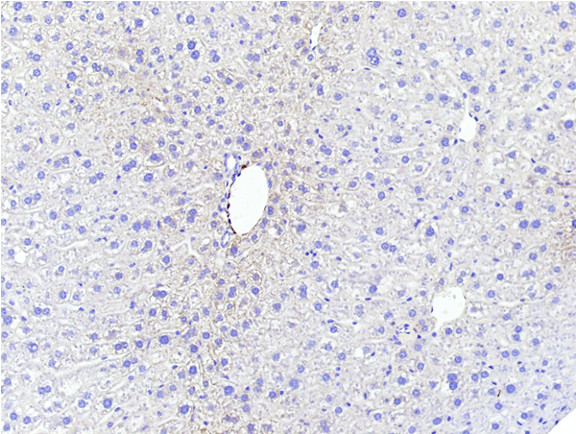
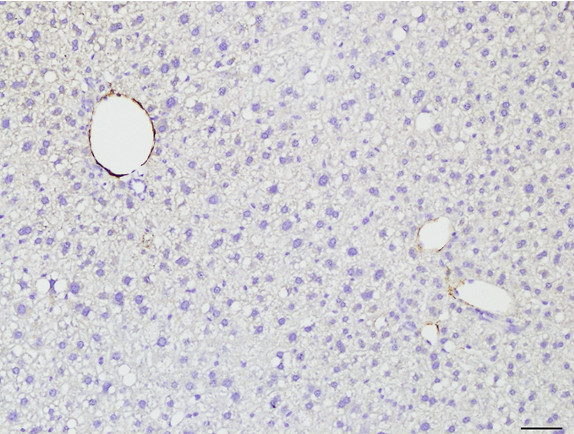
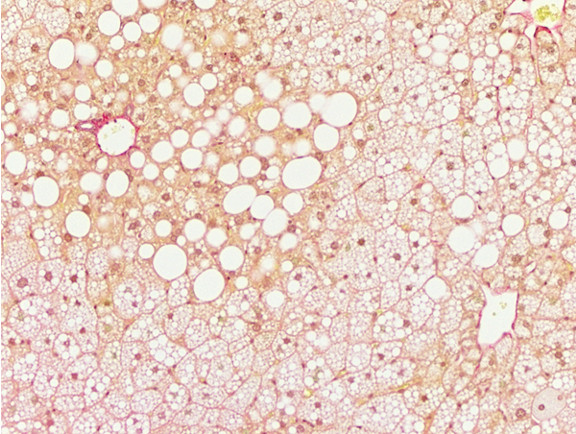
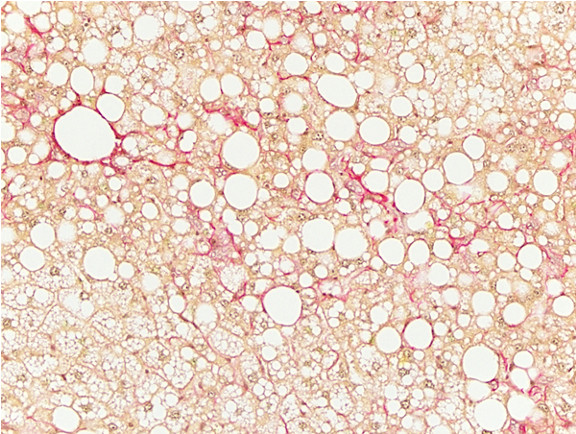
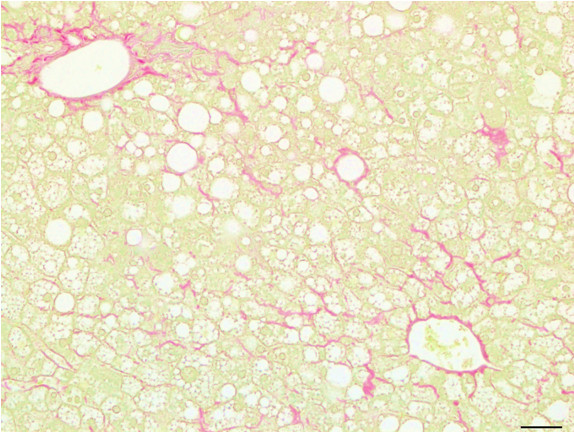
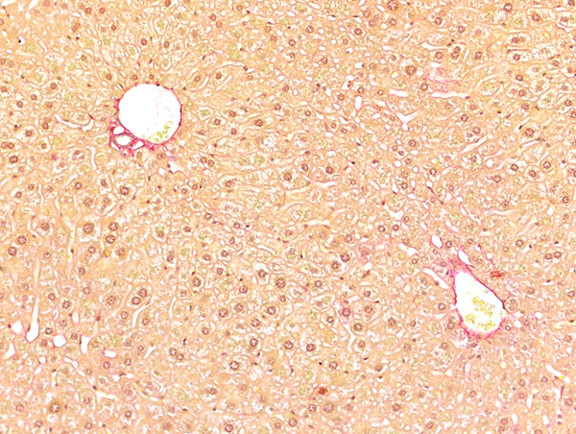
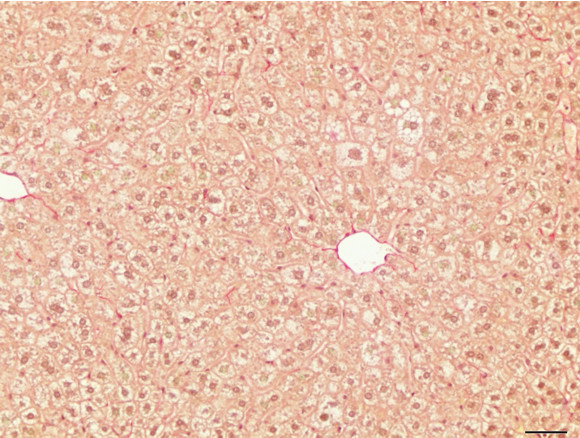
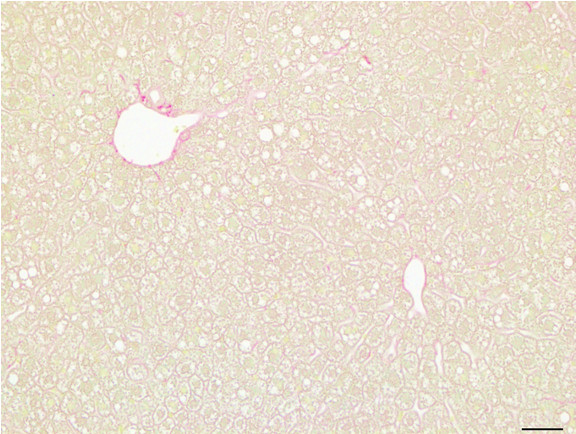
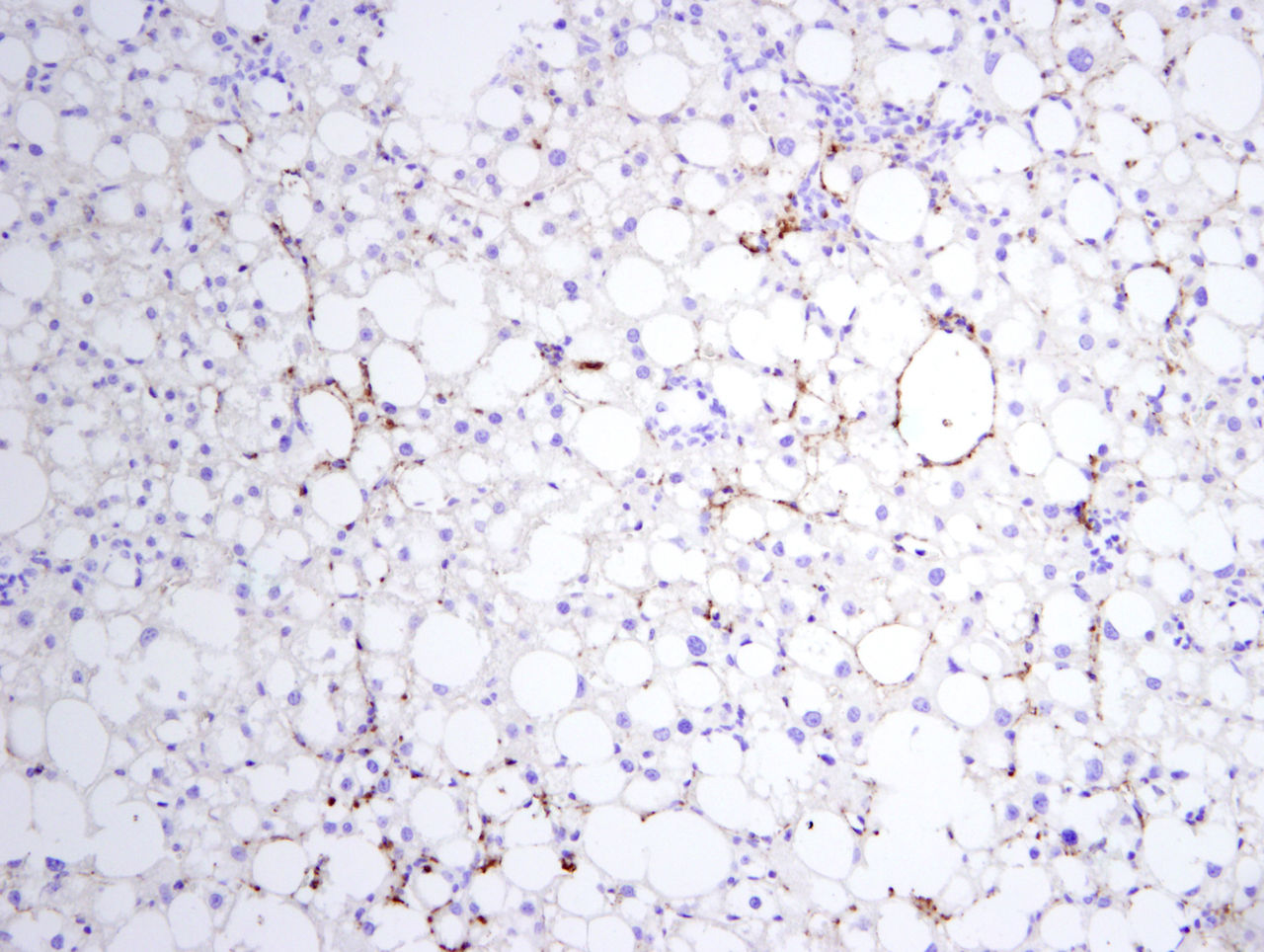
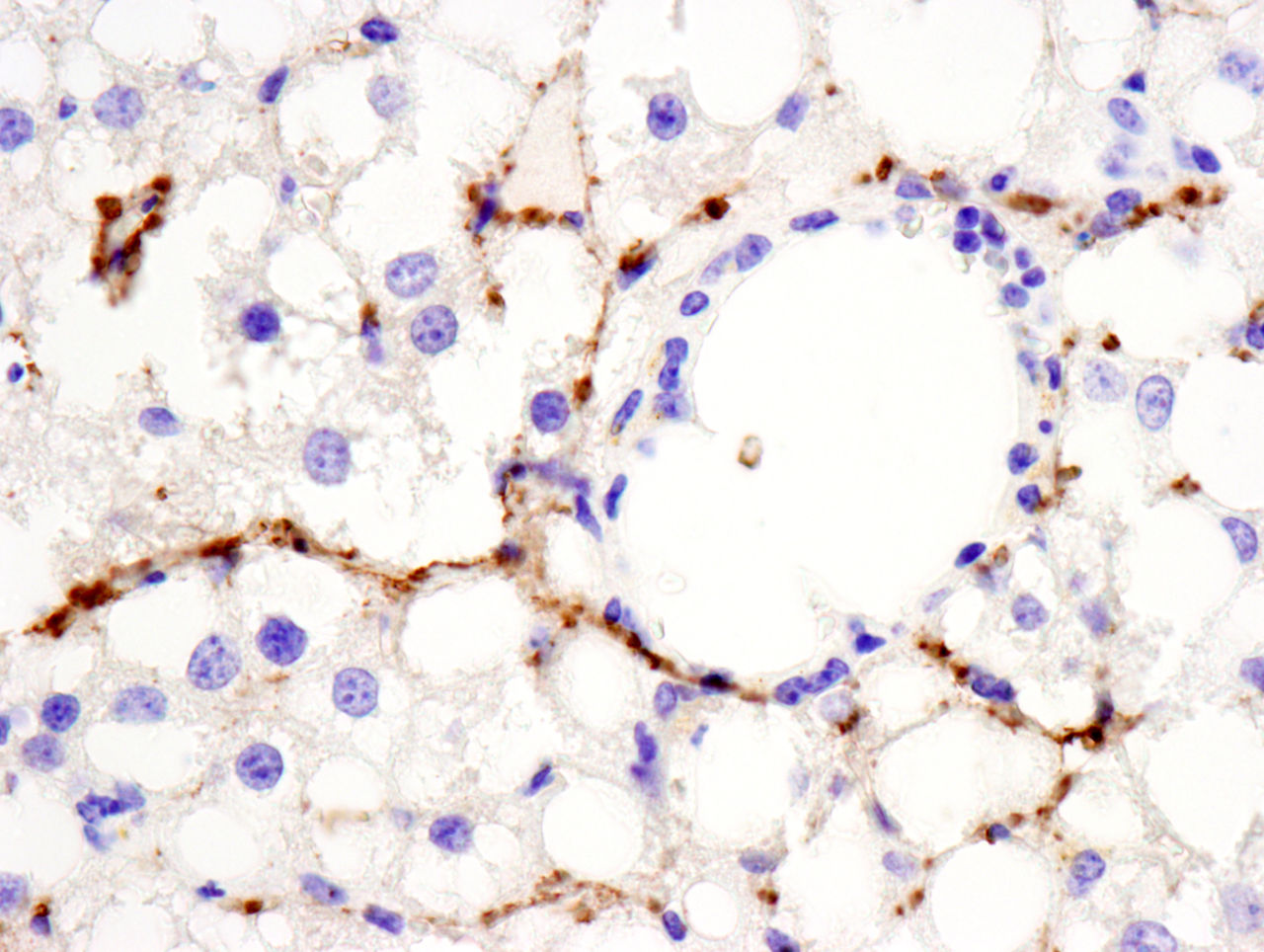
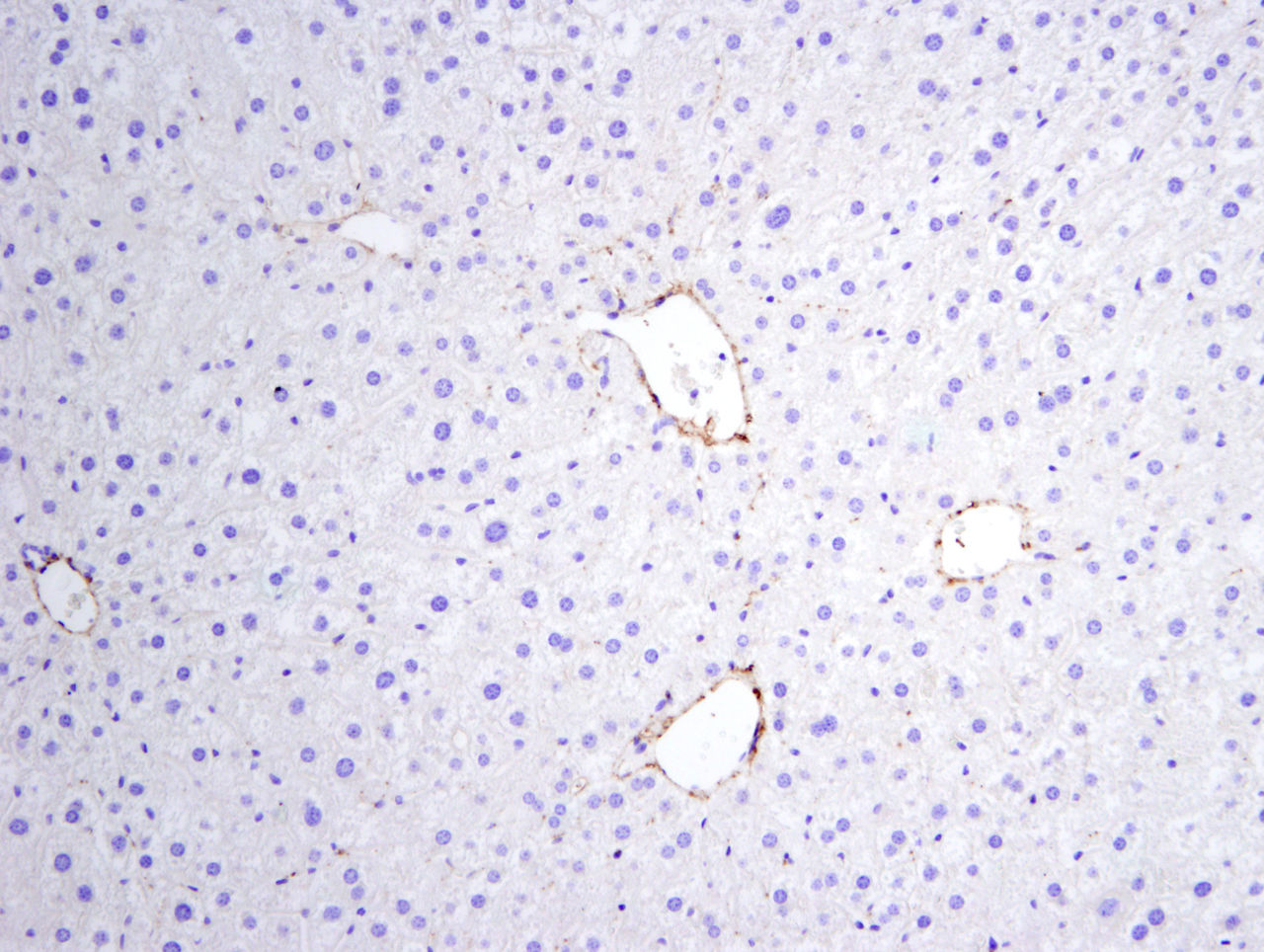
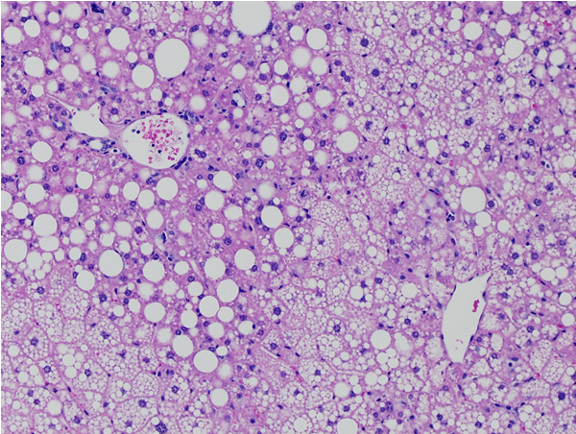
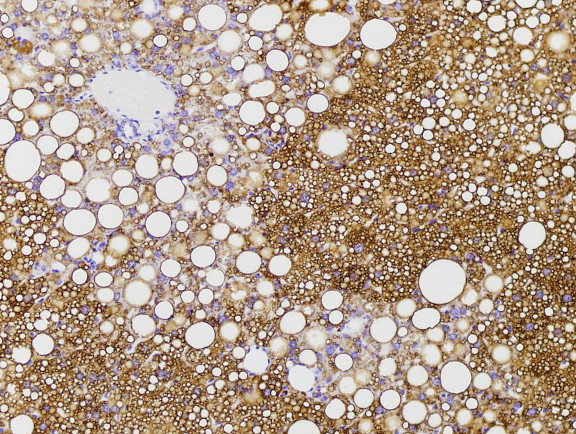
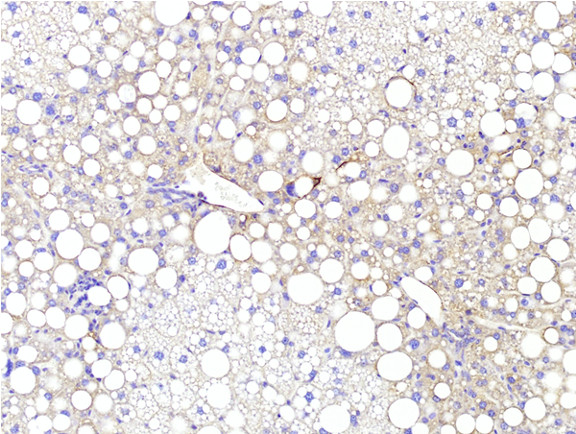
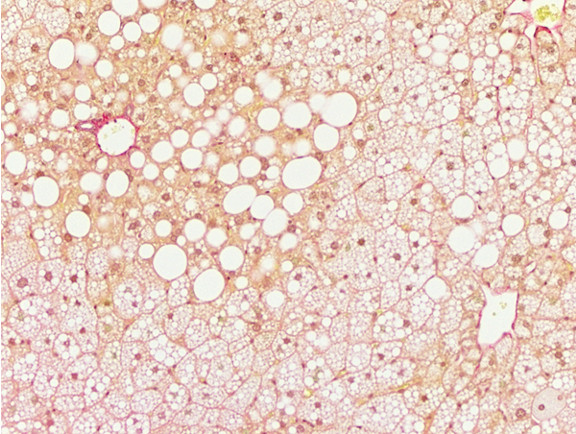
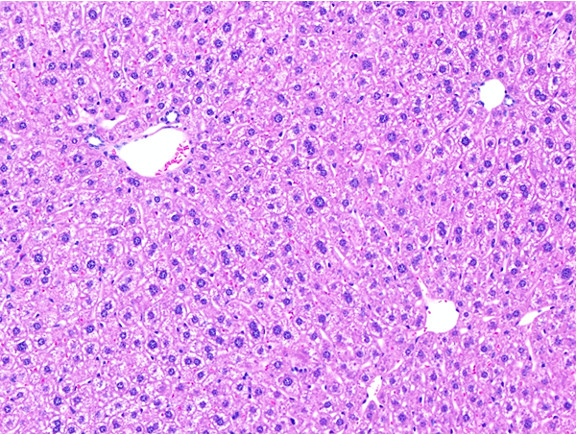
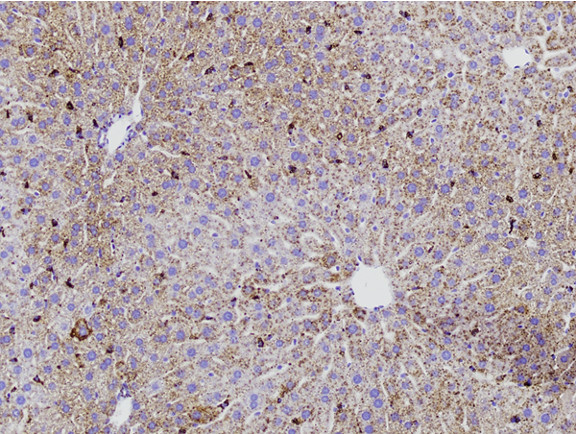
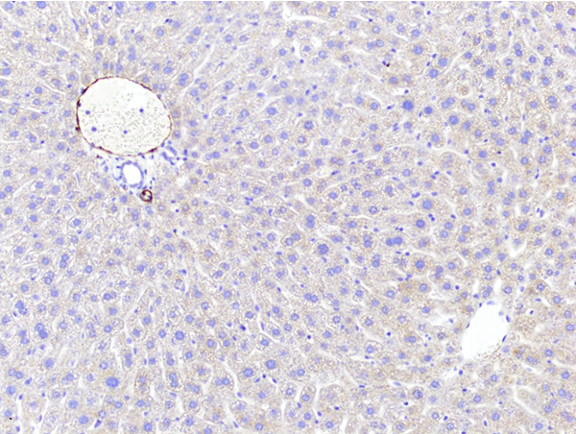
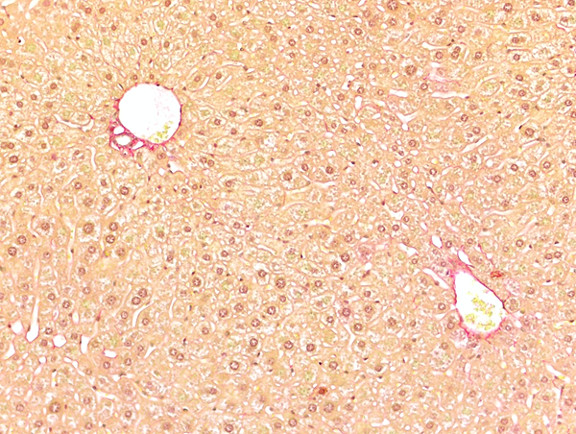
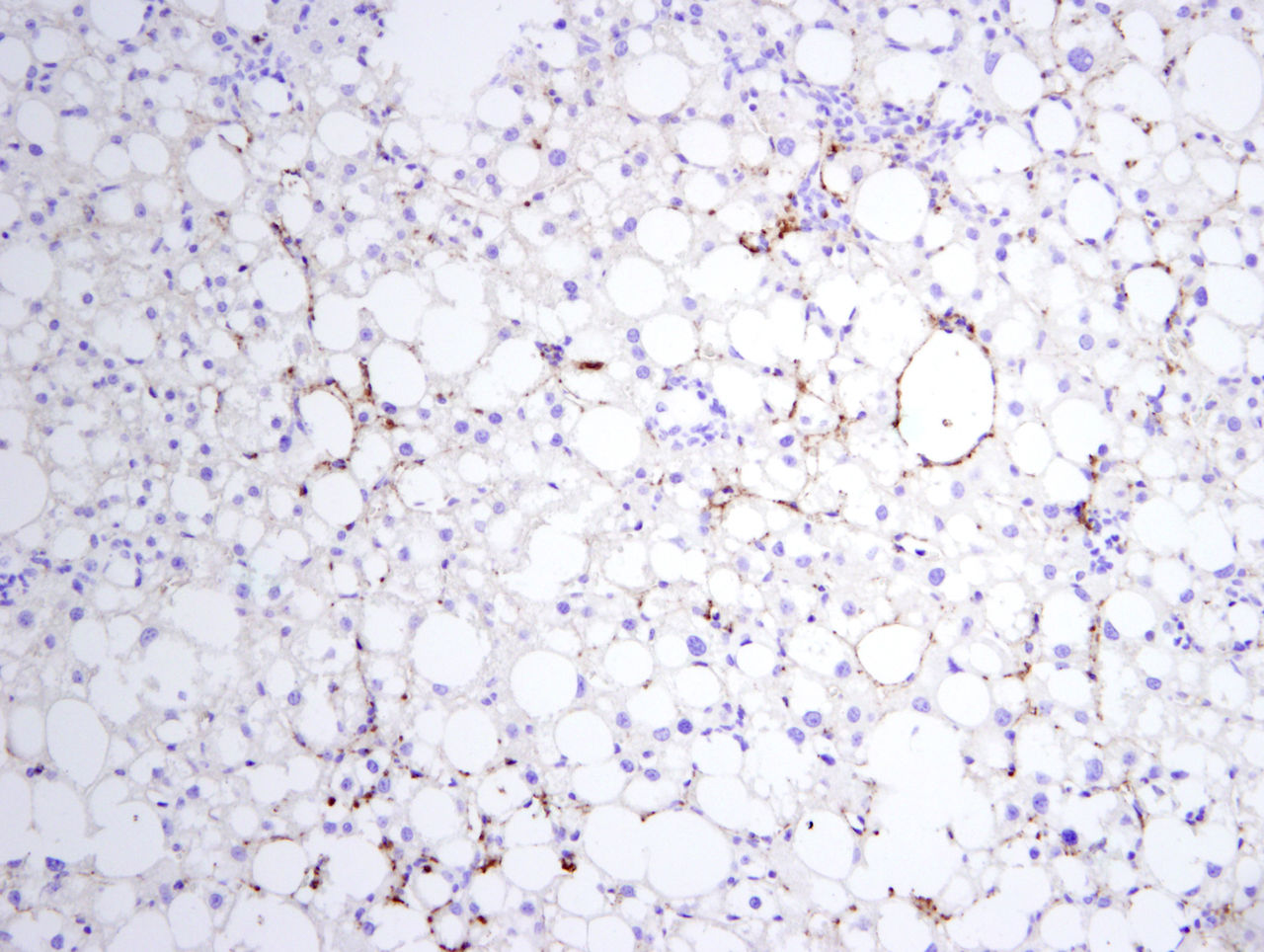
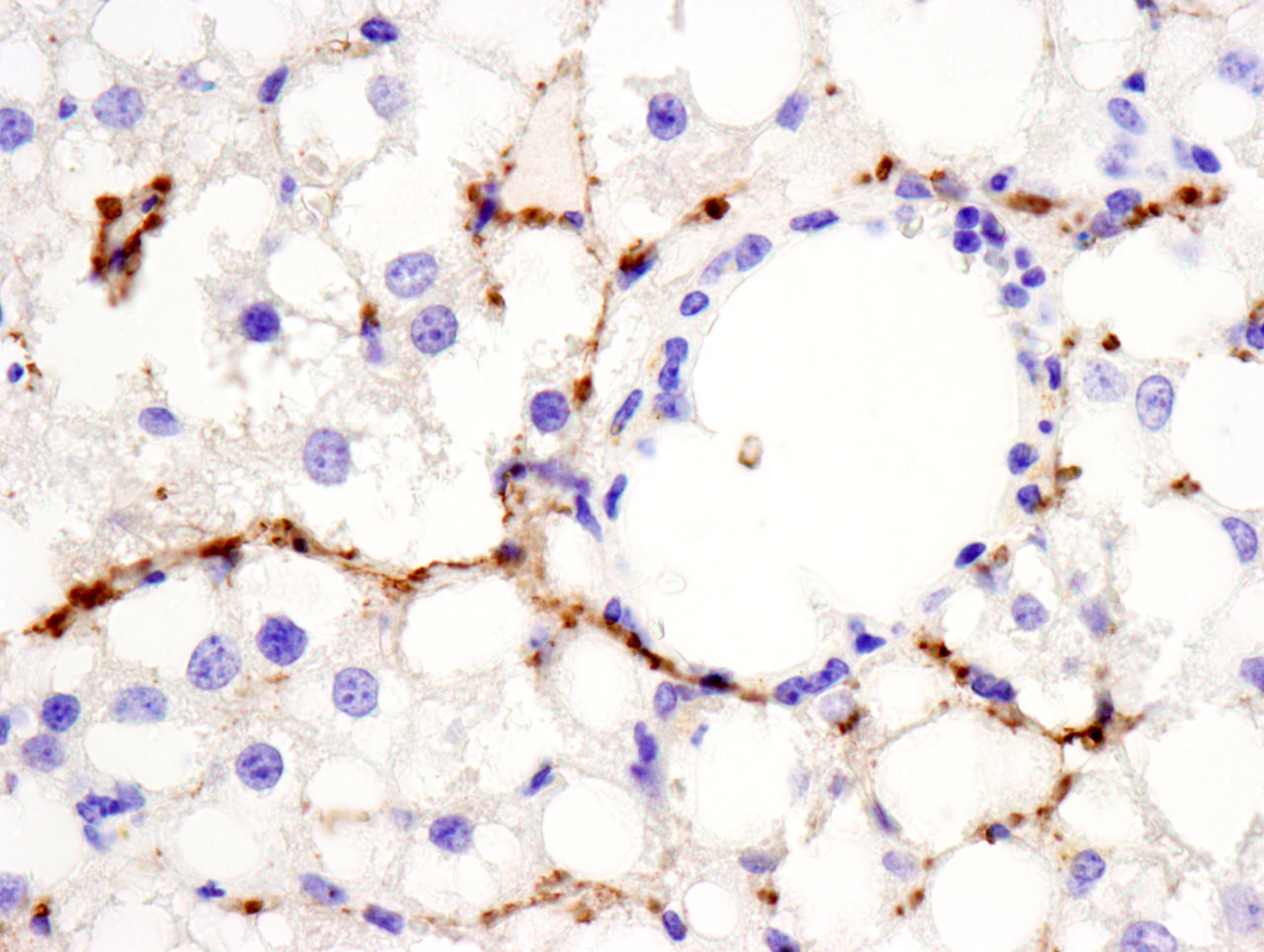
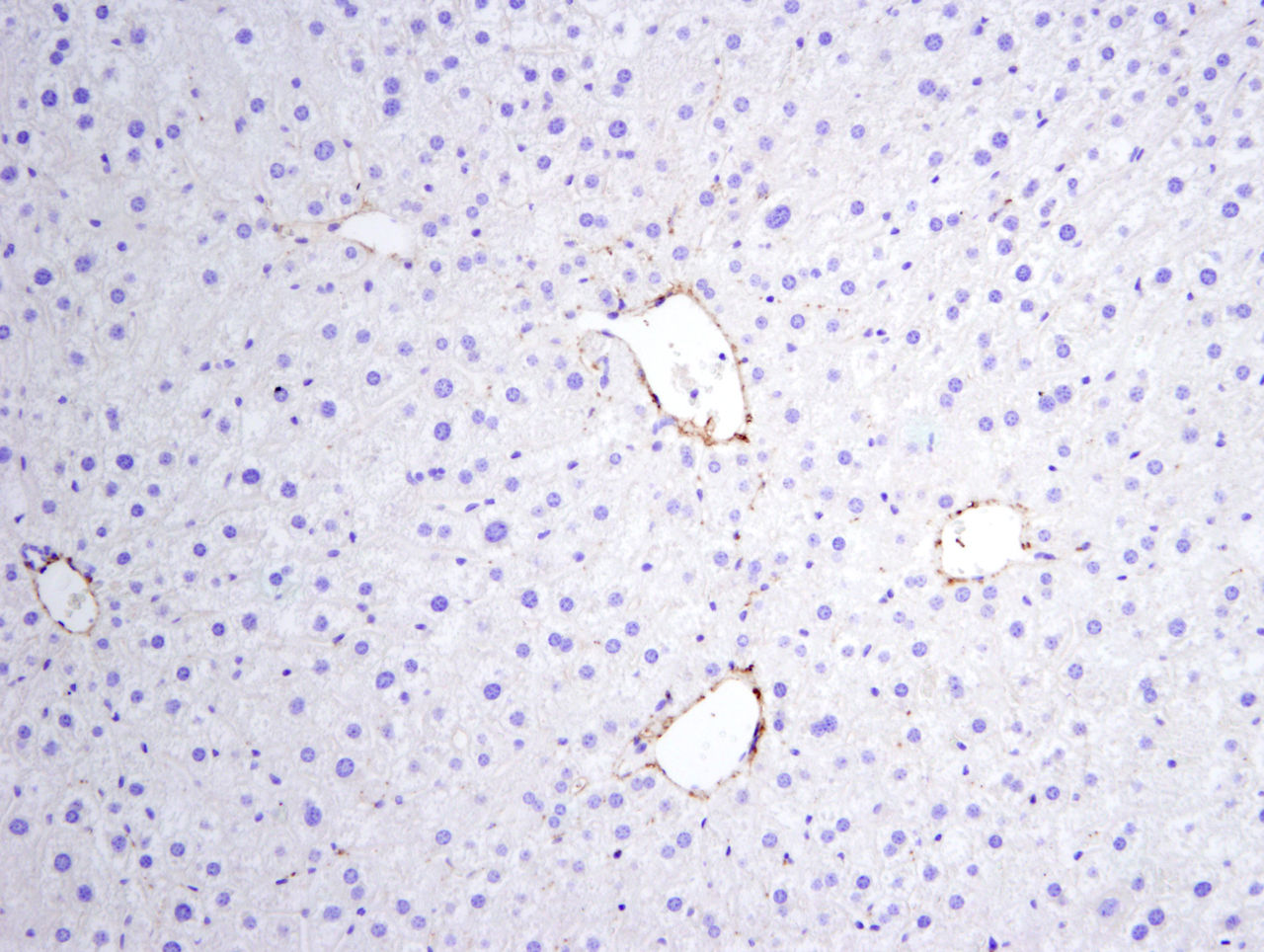
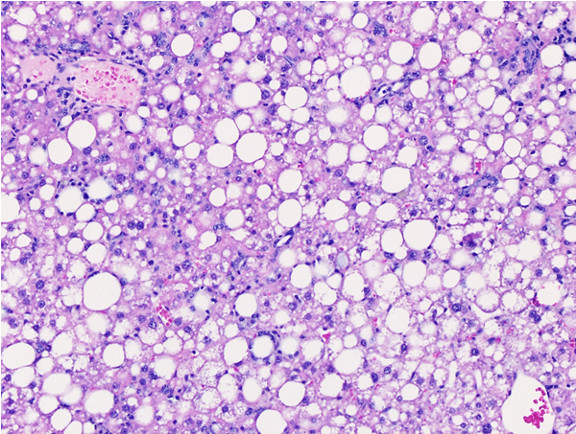
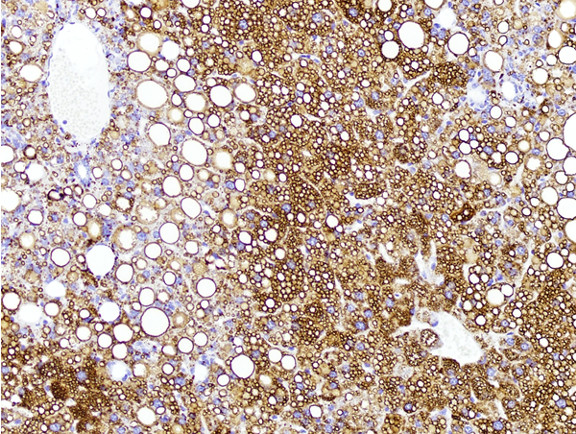
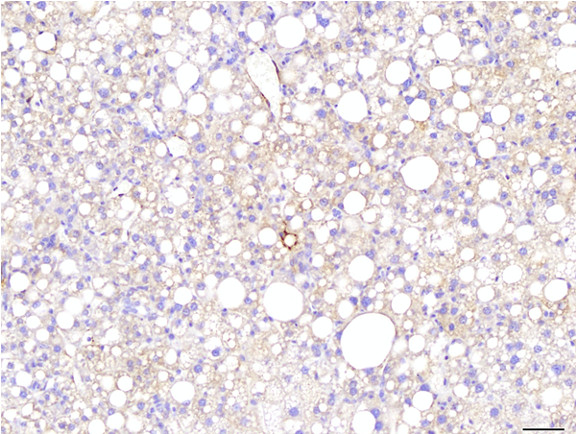
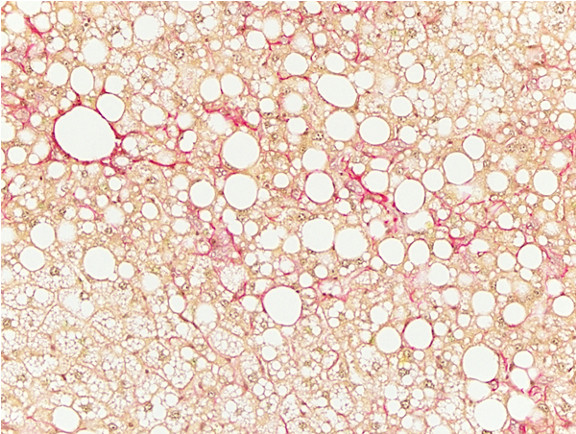
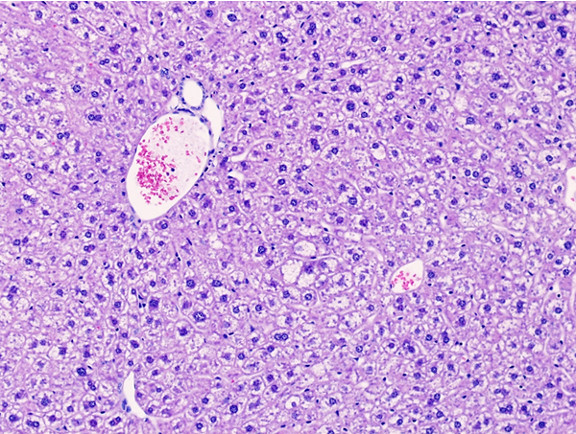
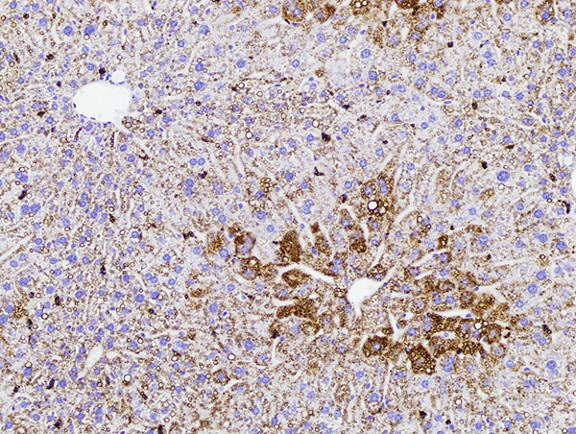
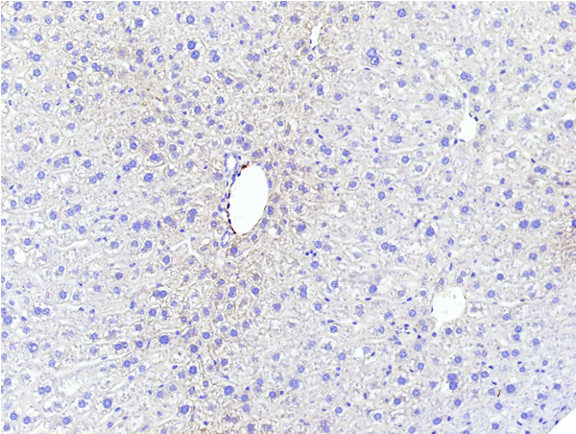
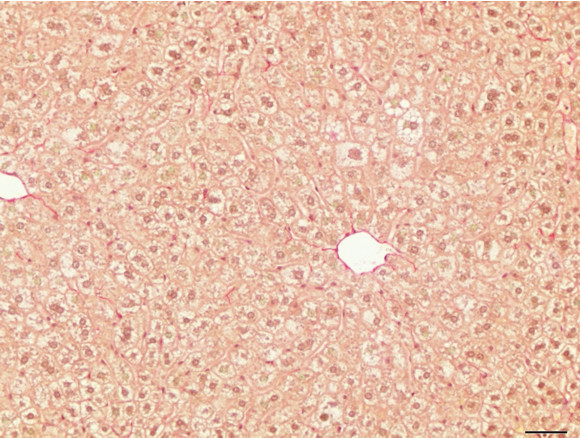
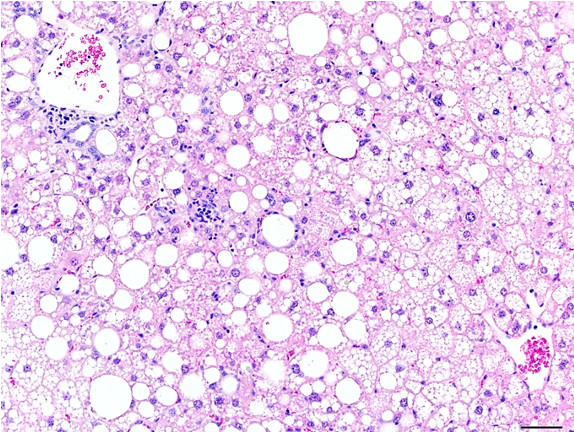
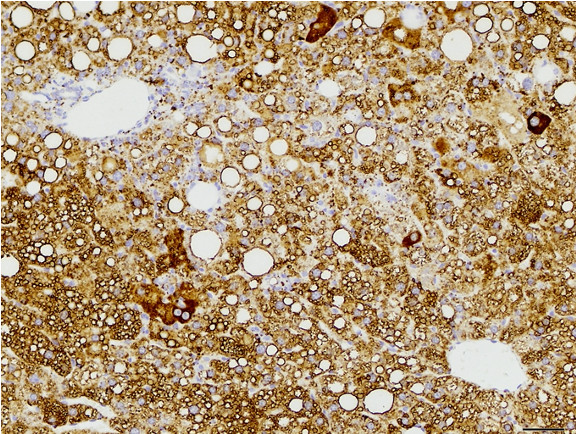
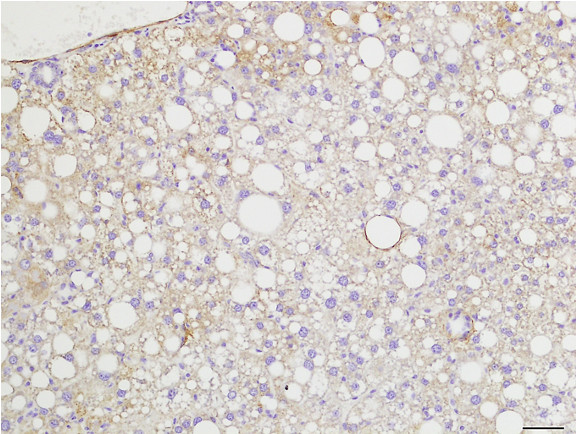
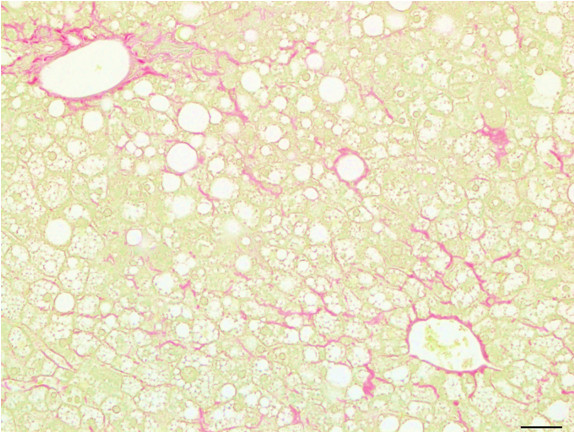
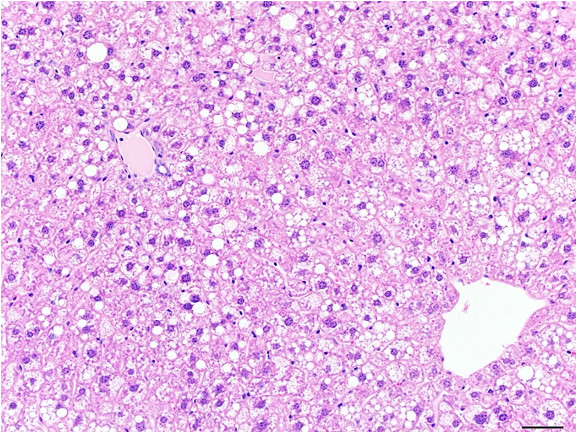
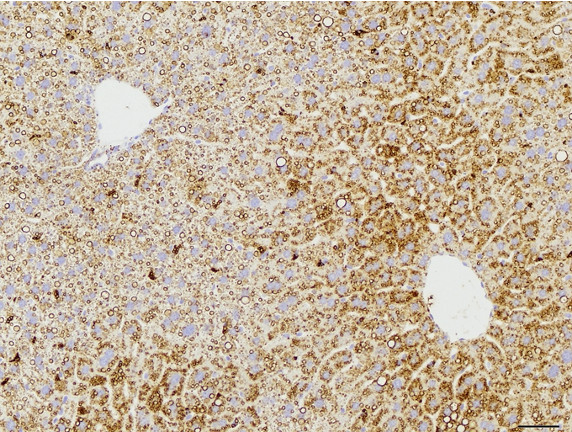
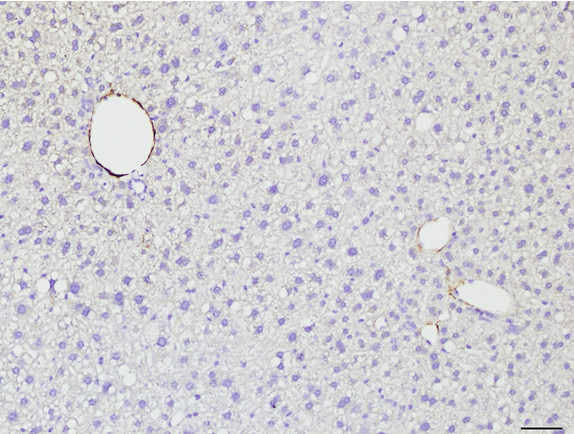
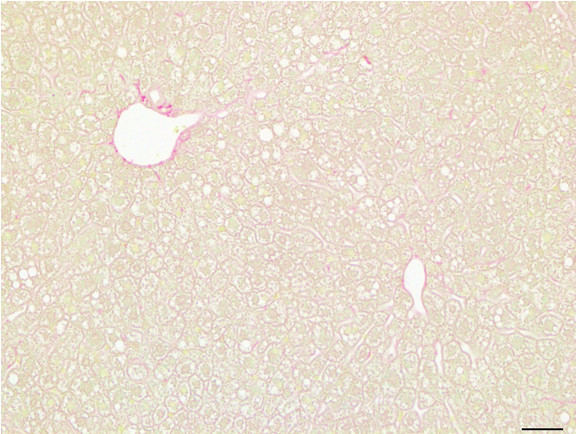
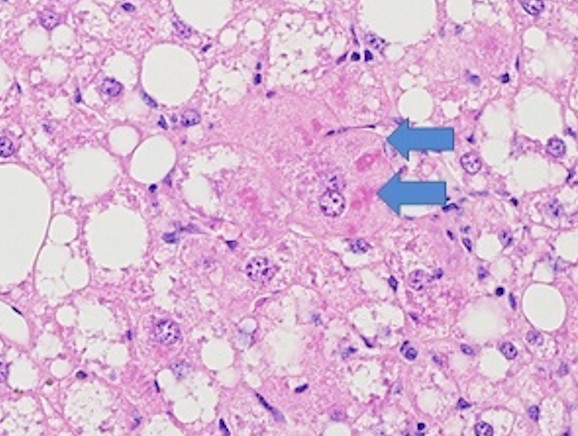
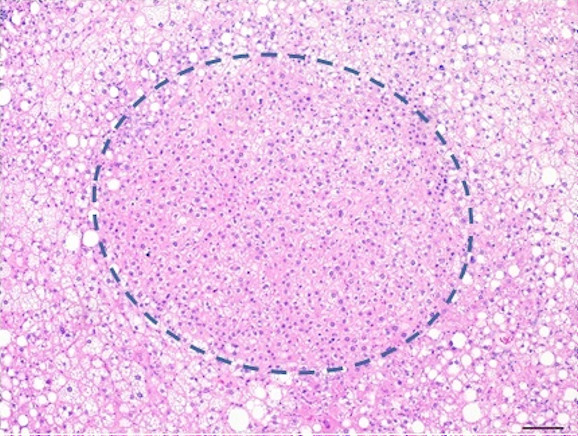
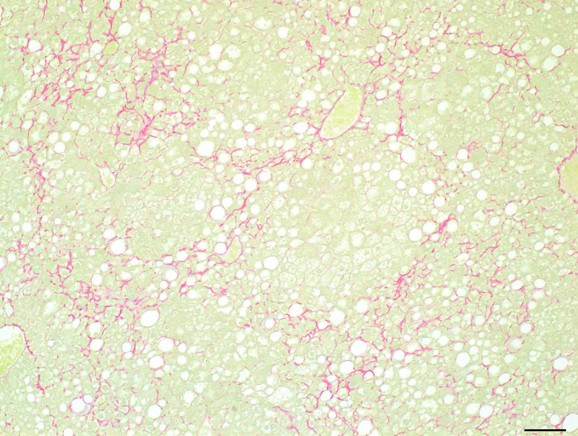
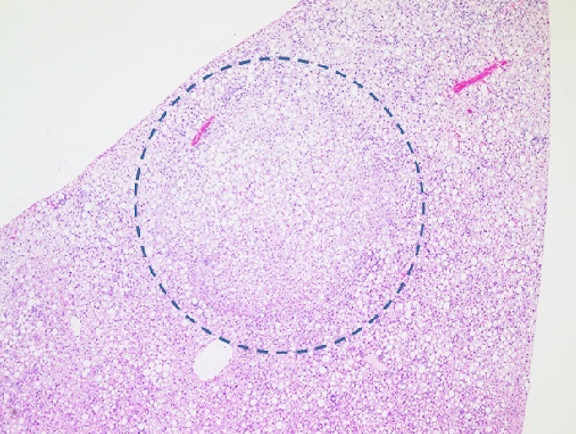
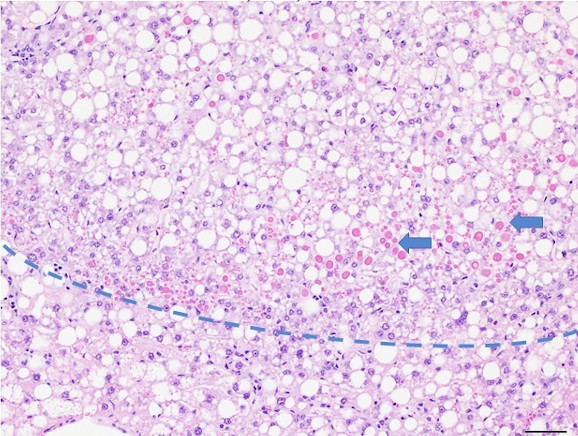
Figure 6: Histopathology for C57BL/6NTac mice placed on D09100310 diet (MASH B6NTac) or kept on chow diet (Control B6NTac) from 6 weeks of age. Animals were on diet for 27, 35 or 53 weeks. Hematoxylin and eosin (H&E) staining illustrates morphological changes including steatosis and infiltration of immune cells. Activated HSCs were identified in liver sections by using a rabbit polyclonal antibody to alpha-smooth muscle actin (a-SMA) (1:500 dilution; ab5694; Abcam, Cambridge, MA) which was detected by an anti-rabbit IgG embedded polymer with embedded horseradish peroxidase and visualized with 3,3′-diaminobenzidine (DAB) chromogen (Agilent, Carpentaria, CA). Hepatocellular lipid droplets were identified by visualization of the lipid-binding protein adipophilin known to be expressed in steatotic livers. Sections of livers were probed using a rabbit polyclonal anti-adipophilin antibody (1:200 dilution; NB110-40877, Novus Biologics, Littleton, CO) which was detected by an anti-rabbit IgG embedded polymer with embedded horseradish peroxidase and visualized with 3,3′-diaminobenzidine (DAB) chromogen (Aligent, Carpentaria, CA). Picrosirius red (PSR) staining illustrates collagen I and III fibers and is used to measure fibrosis. The same individual MASH or control animal is shown for all four stains in a particular time point. Different individual animals were used for each time point (i.e. data is not longitudinal by animal). Histopathology services provided by IDEXX BioAnalytics.
Necropsy results for MASH and chow control mice between 22-59 weeks of age
C57BL/6NTac mice either on MASH diet D09100310i or on control NIH-31M chow diet were necropsied at 22 (MASH only, no controls), 33, 41 or 59 weeks of age. With the exception of the 59 weeks of age group, MASH mice were selected as two full cagemate groups (10 total mice, 5 mice/cage). A portion of liver was collected for histopathology analysis. The remainder of the liver was dissected and any gross lesions or abnormalities were noted.
General MASH mouse findings: All mice were bright, alert and responsive. Fur coat condition was visibly oily and all mice had body condition score 5/5. Alopecia/barbering was evident in some mice, as were healed fight wounds. All animals had marked mesentary and subcutaneous adipose tissue. Liver in all mice was grossly pale to tan, smooth, and uniformly enlarged. All mice displayed moderate diffuse hepatomegaly with steatosis. For nearly all mice, no masses or lesions were observed on serosal or cut side of livers.
The following findings were noted: Male M671 (33 weeks old) was found to have an approximately 1.0 mm lesion, flat, circular, flush to the medial lobe, milky white in coloration, located on the lower right side of the medial lobe (Fig 7). In the 59 week old group, visible suspect lesions with fat-like deposit appearance measuring approximately 0.1 - 0.4 cm on serosal side of liver were found in M444, M445, M652, M653. Portions of M652 and M653 (Fig. 9) livers showing suspect lesions were fixed and sent for pathology analysis.
M655 showed a hepatic mass measuring approximately 0.8 cm, located between the left and caudal lobe tissues (Fig. 10); this was fixed and sent for pathology analysis. Final histopathology report on 59 week old MASH mice found liver adenomas that compressed the adjacent parenchyma in 2 out of 10 mice (M655 and M444), foci of hepatocellular alteration and proliferation in 4 of 10 mice (M443, M444, M445, M652) and oval cell hyperplasia in all but 1 mouse (M770). An incidental finding observed in 1 of 10 mice (M655) was the presence of large aggregates of mononuclear cells including large and small lymphocytes, plasma cells and dendritic-like cells adjacent to central veins. These aggregates have features of lymphocyte neoplasia most consistent with follicular lymphoma (also described as follicular B-cell lymphoma), a common age-related neoplastic condition of C57BL/6 mice. No hepatocellular carcinoma was identified by histopathology in any of the MASH mice examined at 27, 35 or 53 weeks on diet (10/group).
General chow control mouse findings: All mice were bright, alert and responsive. Fur coat appeared well groomed with mild oily appearance. Intermittent lighter colored tips on hairshafts of fur coat. Body condition score was 3-4 for controls at 33 and 41 weeks of age and 4 for controls at 59 weeks of age. All animals had adequate to plentiful mesentary and subcutaneous adipose tissue present. Liver appeared grossly dark pink with uniform color and texture, except in 2 males at 59 weeks for which liver appeared mildly pale with a mild icteric tinge in 2 of 5 males. No masses or lesions were observed on serosal or cut side of livers.
The histopathology report for 59 week old control mice identified an incidental finding in 3 of 5 mice (M18, M19, M20): the presence of large aggregates of mononuclear cells including large and small lymphocytes, plasma cells and dendritic-like cells adjacent to central veins. These aggregates have features of lymphocyte neoplasia most consistent with follicular lymphoma (also described as follicular B-cell lymphoma), a common age-related neoplastic condition of C57BL/6 mice.

Figure 7: Liver of C56BL/6NTac mouse on MASH diet D09100310i for 27 weeks displays moderate diffuse hepatomegaly with steatosis. This mouse (male M671) displayed a flat lesion flush to the medial lobe.

Figure 8: Liver of C57BL/6NTac mouse on MASH Diet D09100310i for 35 weeks displays moderate diffuse hepatomegaly with steatosis.

Figure 9: Liver of C57BL/6NTac mouse on MASH diet D09100310i for 53 weeks displays moderate diffuse hepatomegaly with steatosis, along with visible lesions with fat-like deposit appearance measuring approximately 0.1 - 0.4 cm on serosal side.

Figure 10: Liver of C57BL/6NTac mouse on MASH diet D09100310i for 53 weeks displays moderate diffuse hepatomegaly with steatosis, along with a hepatic mass measuring approximately 0.8cm, located between the left and caudal lobe.
Liver as a % of Bodyweight

Figure 11: Liver as percent of body weight for C57BL/6NTac mouse on MASH diet D09100310i or chow diet for 22-59 weeks of age.
Loading...
Diet Induced MASH B6 mice are placed on a modified AMLN diet (D09100310i) starting at 6 weeks of age. Controls are fed NIH-31M. We are not able to accept MASH B6 orders by weight. Animals can lose weight in transit; for ground transit over 48 hours or air transit, mice may require extended acclimation time (2-4 weeks). We recommend acclimation time extends until mice have returned to within 5% of their pre-shipment bodyweight.
- Licensing
- Pricing
- Select my Health Standard
- Get Custom Pricing Guide
Licensing
Terms of Sale and Use for Diet Induced MASH B6
These models are sold subject to Taconic's Terms and Conditions for Taconic's Models, Products and Services
Select my Health Standard
Need help choosing the right Taconic Biosciences health standard for your research?
Use the Health Standard Selector to enter your exclusion list. The tool will tell you which health standards meet your requirements.
Get custom pricing guide

Schedule A Scientific Consultation
Connect directly with a member of our Scientific Solutions team who can help you select the most appropriate model and maximize your experimental success.


