

Diet-Induced Rodent Models for Preclinical Cardiometabolic Research
Diet-induced rodent models provide reproducible, physiologically relevant systems for studying obesity, metabolic syndrome, and liver disease driven by nutritional challenge. Taconic Biosciences offers a portfolio of diet-induced mouse and rat models, including readily available and custom-conditioned options, to support translational metabolic disease research.
Save 20% On hGLP1R mice and Diet-Induced Obesity Models. Add code “CMD20” in your order notes to apply the discount.
Offer available to new and returning customers.
Diet-induced rodent models are widely used to study obesity, insulin resistance, and metabolic liver disease in a physiologically relevant context. By replicating the impact of high-fat or specialized diets, these models closely mimic the progression of human metabolic disorders.
Taconic Biosciences offers a portfolio of diet-induced mouse and rat models designed to support translational research across obesity, type 2 diabetes, and metabolic dysfunction-associated steatohepatitis (MASH). With off-the-shelf availability and customizable diet conditioning services, researchers can accelerate study timelines while maintaining experimental consistency.
Explore our Diet-Induced Model Portfolio
Click each card to learn more.
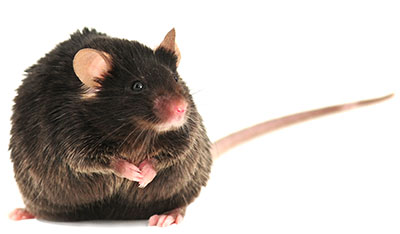
Diet-Induced Obese B6
Summary
- • C57BL/6NTac mice conditioned on 60% kcal high‑fat purified diet
- • Research Diets D12492 (lard‑based) for consistent metabolic induction
- • Predictable diet‑driven obesity and increased adiposity
- • Develop insulin resistance, hyperglycemia, and dyslipidemia
- • Gold‑standard translational model for obesity and type 2 diabetes research
- • Availability: Off‑the‑shelf, pre‑conditioned animals
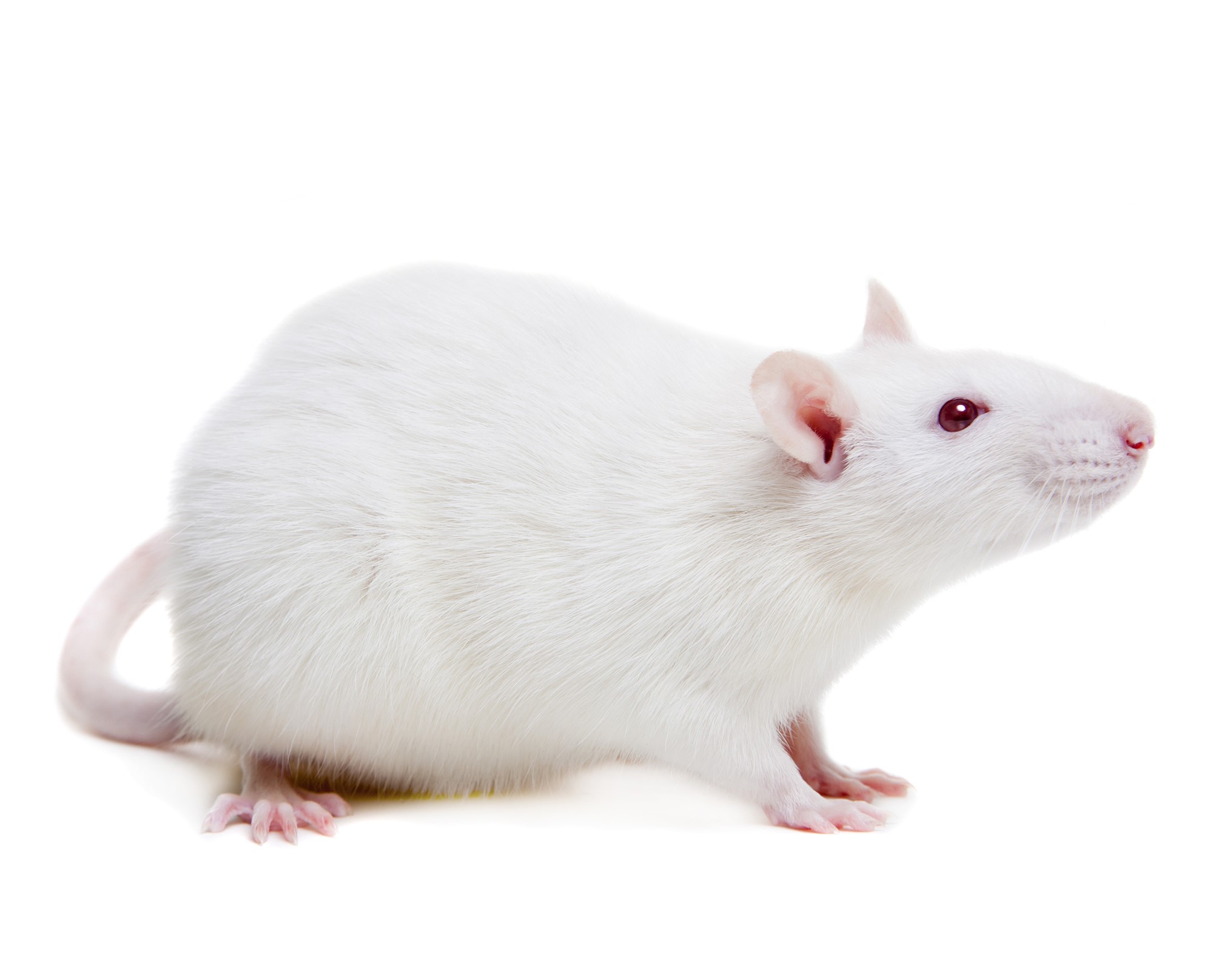
Diet-Induced Obese Rat
Summary
- • Sprague Dawley rats conditioned on 45–60% kcal fat purified diets
- • Commonly using D12451 (45%) or D12492 (60%) formulations
- • Robust diet‑induced obesity with metabolic dysfunction
- • Develop insulin resistance, glucose intolerance, hyperinsulinemia
- • Supports cardiometabolic, PK/PD, and physiology‑focused studies
- • Availability: Made‑to‑order, custom‑conditioned cohorts
Diet-Induced MASH B6
Summary
- • C57BL/6NTac mice conditioned on GAN / AMLN MASH diet
- • Diet composition: 40% kcal fat, 20% fructose, 2% cholesterol
- • Develop obesity with hepatic steatosis and liver inflammation
- • Elevated ALT with progression to fibrosis
- • Supports cardiometabolic, PK/PD, and physiology‑focused studies
- • Translational MASH model reflecting key features of human disease
- • Availability: Off‑the‑shelf, pre‑conditioned mice
- Diet-Induced Obese Models
- Diet-Induced MASH Model
Diet-Induced Obesity Models
Diet-induced obesity (DIO) models are generated through controlled exposure to high-fat diets, resulting in phenotypes that include increased body weight, adiposity, insulin resistance, and impaired glucose tolerance.
Taconic's DIO models support a wide range of applications, including:
- Obesity and metabolic syndrome research
- Type 2 diabetes and insulin resistance studies
- Evaluation of anti-obesity therapeutics
Both mouse and rat DIO models offer distinct advantages. Mouse models provide extensive hisotrical data and compatibility with genetically engineered strains, whle rat models offer enhanced physiological sampling and translational relevance for certain study designs.
Diet-Induced MASH Model
Metabolic dysfunction-associated steatohepatitis (MASH), formerly known as NASH, is a progressive liver disease characterized by steatosis, inflammation, and fibrosis.
Taconic's diet-induced MASH model leverages clinically relevant diets to replicate key features of human disease progression. This model is suitable for:
- Studying liver pathology and disease mechanisms
- Evaluating anti-fibrotic and anti-inflammatory therapies
- Investigating metabolic drivers of liver disease
Off-the-shelf availability allows researchers to bypass lengthy induction periods and begin studies with animals already exhibiting disease phenotypes.
Mouse vs. Rat Models: How to Choose the Right System
Selecting the appropriate species is critical for study success.
Mouse models:
- Ideal for mechanistic studies and genetic manipulation
- Extensive background data and established protocols
- Compatible with transgenic and knockout strains
Rat models:
- Larger size enables repeated sampling and complex procedures
- Often preferred for pharmacokinetic and toxicology studies
- May offer improved translational relevance in certain metabolic endpoints
By offering both species, Taconic enables researchers to align model selection with specific study goals and translational needs.

Special Diet Administration & Conditioning Services
For studies requiring precise control over dietary inputs, Taconic Biosciences offers flexible diet administration and conditioning services to support metabolic and disease-focused research.
Whether you are working with a Taconic model or your own strain, our team can design and execute customized diet protocols using high-fat, high-cholesterol, high-sodium, or other specialized formulations. These services enable consistent phenotype development while reducing variability across cohorts.
From ready-to-ship diet-conditioned animals to fully customized study designs, Taconic helps researchers accelerate timelines and generate reproducible, translationally relevant data.
Taconic’s diet-conditioned mouse and rat models provide preclinical cohorts with well-characterized metabolic phenotypes, eliminating months of in-house conditioning and enabling immediate study start.
When combined with integrated surgical services, these models expand what’s possible in preclinical study design. Procedures such as nephrectomy, paired with high-salt or specialized diets, enable reproducible renal and cardiorenal phenotypes. In metabolic research, surgical interventions such as ovariectomy can be combined with defined diets to model post-menopausal disease states. Together, these approaches help researchers start studies with well-defined, disease-relevant baselines.
Custom Diet Study Design & Execution
Taconic provides end-to-end support for diet-conditioned studies, from planning through delivery of study-ready cohorts.
- Customizable Diets – choose your formula, animal model, and diet-conditioning duration
- Study-Ready Cohorts – Animals arrive preconditioned, at your specified cadence, maximizing vivarium capacity for therapeutic intervention studies
- Save Weeks of Prep Time – Avoid 6-12 week diet start-up time at your site
- Reproducibility & Control – Standardized procedures by trained staff to increase reproducibility between cohorts
- Scientific Support – Consultation on diet and model selection provided by PhD level scientists
Use this tool to identify a diet strategy aligned with your research goals
How it works:
You choose the diet conditioning parameters with the help of a Taconic Scientific Solutions Consultant
Taconic conditions cohorts to your specifications
Animals arrive ready for dosing or phenotyping
| Diet Type | Description | Therapeutic Applications |
|---|---|---|
| High-fat diet | 40-60 kcal% fat, typically from lard Option: L-NAME in diet | Obesity, metabolic disease 2-hit HFpEF model |
| Western diet | 40-45 kcal% from fat, lard based or other; may contain additional fructose or sucrose; added cholesterol | Atherosclerosis, obesity, metabolic syndrome |
| MASH diet | High-fat, high-fructose, high cholesterol models such as the modified-Amylin diet Methionine and choline deficient diets Choline deficient diets | MASLD with varying degrees of translatability and fibrosis |
| Adenine enriched diet | 0.15-0.2% for mice 0.75% for rats | Acute or chronic kidney disease |
| Low fat diets | 10-15% fat, purified ingredient formulation | Control diet for disease model |
| Inducible model diets | Doxycycline or tamoxifen incorporated into a standard diet | Various |
Why Diet-Induced Rodent Models Are Critical for Preclinical Cardiometabolic Research
Diet-induced rodent models are essential for cardiometabolic research because they mimic how diseases like obesity, insulin resistance, and metabolic syndrome develop in response to diet and lifestyle factors. This physiological relevance makes them more predictive than many genetic models for studying human disease. They also enable researchers to evaluate therapeutics in a setting that closely reflects real-world disease progression. With flexible diet compositions and study designs, these models support a wide range of preclinical applications across obesity, diabetes, and cardiovascular research.

Learn How Our Diet-Induced Rodent Models Are Used in Research
Visit our Resources page to find more webinars, insights, and white papers that support a deeper understanding of diet-induced rodent model utility and applications across metabolic and cardiometabolic research.
View:
Select One
- On-Demand Webinars
- Literature
- Scientific Posters


?ts=1777047877462&dpr=off)


Frequently Asked Diet-Induced Rodent Model Questions
Learn more about using our DIO rodent models in your preclinical research.
Diet-induced rodent models are preclinical mouse and rat models in which metabolic disease phenotypes develop in response to controlled dietary challenge. By using high-fat or Western-style diets, these models recapitulate obesity, insulin resistance, metabolic dysfunction, and diet-driven liver disease in a physiologically relevant manner.
Diet-induced obesity (DIO) models focus on obesity and systemic metabolic dysfunction, including insulin resistance and cardiometabolic risk. Diet-induced MASH models extend this phenotype to include liver-specific pathology such as steatosis, inflammation, and fibrosis. Many MASH models are developed on an obese and metabolically dysfunctional background, reflecting the clinical overlap between obesity and liver disease.
Diet-induced models develop disease through nutritional and environmental factors rather than fixed genetic alterations. This allows for progressive disease development and better reflects the multifactorial nature of human cardiometabolic and liver disease, improving translational relevance for therapeutic evaluation.
Diet-induced models are available in both mice and rats. Mouse models are commonly used for mechanistic studies and target validation, while rat models offer advantages for pharmacology, toxicology, cardiovascular assessments, and longitudinal sampling due to their size and physiology.
Phenotypes are induced through specialized diets, including high-fat diets and Western-style diets that may include added cholesterol, sucrose, or fructose. Diet composition and feeding duration are selected based on the desired disease features and study objectives.
Timelines vary depending on diet composition, species, strain, and study design. Weight gain and metabolic dysfunction can begin within weeks, while more advanced features such as insulin resistance or liver fibrosis typically require longer conditioning periods. Preconditioned models can help reduce study startup time.
Diet-induced models support research in obesity, type 2 diabetes, metabolic syndrome, cardiometabolic disease, and metabolic liver disease. They are widely used in preclinical drug discovery to evaluate efficacy, mechanism of action, safety, and translational biomarkers.
Yes. Diet-induced models can be tailored through species selection, strain background, diet formulation, and conditioning duration. Custom diet conditioning services enable the generation of study-ready cohorts aligned with specific experimental and translational goals.
Yes, off-the-shelf diet-conditioned models are available to help researchers begin studies with established disease phenotypes. Taconic’s B6 DIO and MASH mouse models are offered off-the-shelf for immediate use, reducing conditioning time, improving cohort consistency, and accelerating study timelines. In contrast, the DIO rat model is made-to-order and conditioned based on your specific study requirements.
By modeling disease driven by dietary and metabolic stress, diet-induced rodent models provide an integrated system for evaluating therapeutic performance across interconnected organs. This supports generation of predictive, decision-enabling data that better translates to human cardiometabolic and liver disease.
Get Expert Guidance on Diet-Induced Rodent Models
Fill out the form to request a complimentary scientific consultation with one of our PhD model design experts.